
SGUK Outdoor Skills Challenge 47: Practise Leaving No Trace in Woodland
A good woodland visit shouldn’t leave a lasting mark on the place you’ve enjoyed. It’s easy to think that moving a branch, picking a few plants or leaving a small piece of rubbish won’t make much difference, but repeated actions by lots of visitors can gradually damage a habitat. Even activities that seem harmless can disturb wildlife or affect the woodland floor.
Leaving no trace in woodland means taking responsibility for your impact. It’s about noticing what is around you, making sensible choices while you’re there and checking before you leave that you’ve not caused avoidable damage. For this challenge, you’ll put those principles into practice during a woodland visit.
Your Challenge
Your challenge is to visit a woodland, observe the impact your activities might have and demonstrate how to leave the area as you found it.
You’ll look for signs of disturbance, practise making low-impact decisions and carry out a final check before leaving. You don’t need to collect anything, build a shelter or light a fire. In fact, part of the challenge is recognising when the best action is to leave something exactly where it is.
What You’ll Need
- Suitable outdoor clothing and footwear.
- A small bag for carrying out your own litter, if needed.
- A phone or camera to record your observations.
- A notebook.
- A map or route plan if visiting unfamiliar woodland.
Check whether the woodland has any access restrictions, seasonal closures or specific visitor rules before you go. If you’re unsure whether an activity is permitted, don’t do it.
Take the Challenge
1. Choose your route carefully
Start by choosing an established path through woodland where public access is permitted. Staying on existing paths helps reduce trampling, soil compaction and damage to plants, particularly where the ground is soft or muddy.
Avoid creating shortcuts around puddles or muddy sections. Walking around them can gradually widen a path and damage vegetation along its edges. Where possible, follow the designated route and accept that some parts of a woodland walk may be muddy.
Pay attention to signs about sensitive habitats, nesting birds, livestock, dogs or temporary restrictions. These are there for a reason, and following them is one of the simplest ways to reduce your impact.
2. Observe without disturbing
As you walk, look closely at the woodland around you. Notice fallen leaves, deadwood, fungi, plants, insects and signs of animal activity.
Your task is to observe these features without removing or damaging them. Resist the temptation to pick flowers, pull bark from trees, break branches or turn over logs just to see what is underneath.
Deadwood is particularly important. Fallen trunks and branches provide food and shelter for fungi, insects and other wildlife. A log that looks unimportant to a visitor may be a valuable part of the woodland ecosystem.
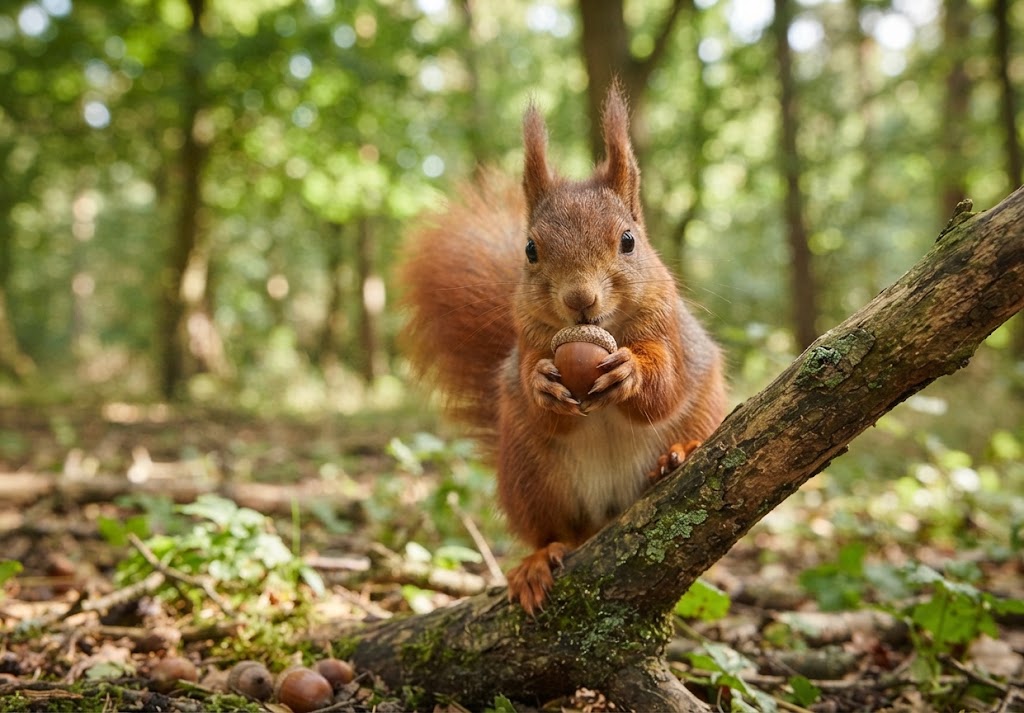
If you find an interesting animal, nest or other sign of wildlife, keep your distance and avoid lingering if your presence appears to cause disturbance. Use your camera’s zoom rather than approaching for a closer photograph.
3. Check your own impact
Pause somewhere suitable along the path and consider what you’ve done so far. Have you stepped off the path and crushed vegetation? Moved a branch? Dropped a wrapper? Disturbed a patch of leaves or soil?
If you’ve caused a small, easily reversible disturbance, put things right only where it’s safe and appropriate to do so. For example, pick up litter you’ve dropped. Don’t attempt to repair natural features or rearrange habitat, as further interference can make things worse.
You should also look for signs of previous human impact. You might notice litter, damaged bark, trampled plants, abandoned fire sites or improvised structures. Photograph these from the path if useful, but don’t disturb potentially hazardous waste or dismantle something that may belong to a land manager.
The point is not to judge every sign of change as harmful. Natural woodland is constantly changing. Your task is to distinguish natural processes from avoidable damage caused by people.
4. Leave natural materials where they belong
Bushcraft and woodland skills sometimes involve using sticks, leaves, bark and other natural materials. However, practising outdoor skills doesn’t mean you automatically have permission to collect them.
For this challenge, leave branches, stones, leaves, fungi and other natural materials where you find them. Don’t strip bark from living trees, cut vegetation or remove deadwood. Check local rules before collecting anything on future visits.
Avoid building a shelter from woodland materials unless you have explicit permission and the activity is appropriate for that site. A shelter that seems temporary can still damage plants, disturb habitat and leave behind broken branches or trampled ground.
You can still develop practical skills through observation. Study how natural shelters form, where water runs after rain and how fallen timber provides habitat, without needing to alter any of these features.
5. Keep food, rubbish and fires under control
Take everything you bring into the woodland back out with you. This includes food packaging, tissues, drinks containers and small scraps that are easy to overlook.
Don’t assume that food scraps are harmless because they’re biodegradable. They can change animal behaviour, attract pests and take longer to break down than expected. Never leave food for wildlife unless a specific conservation project instructs you to do so.
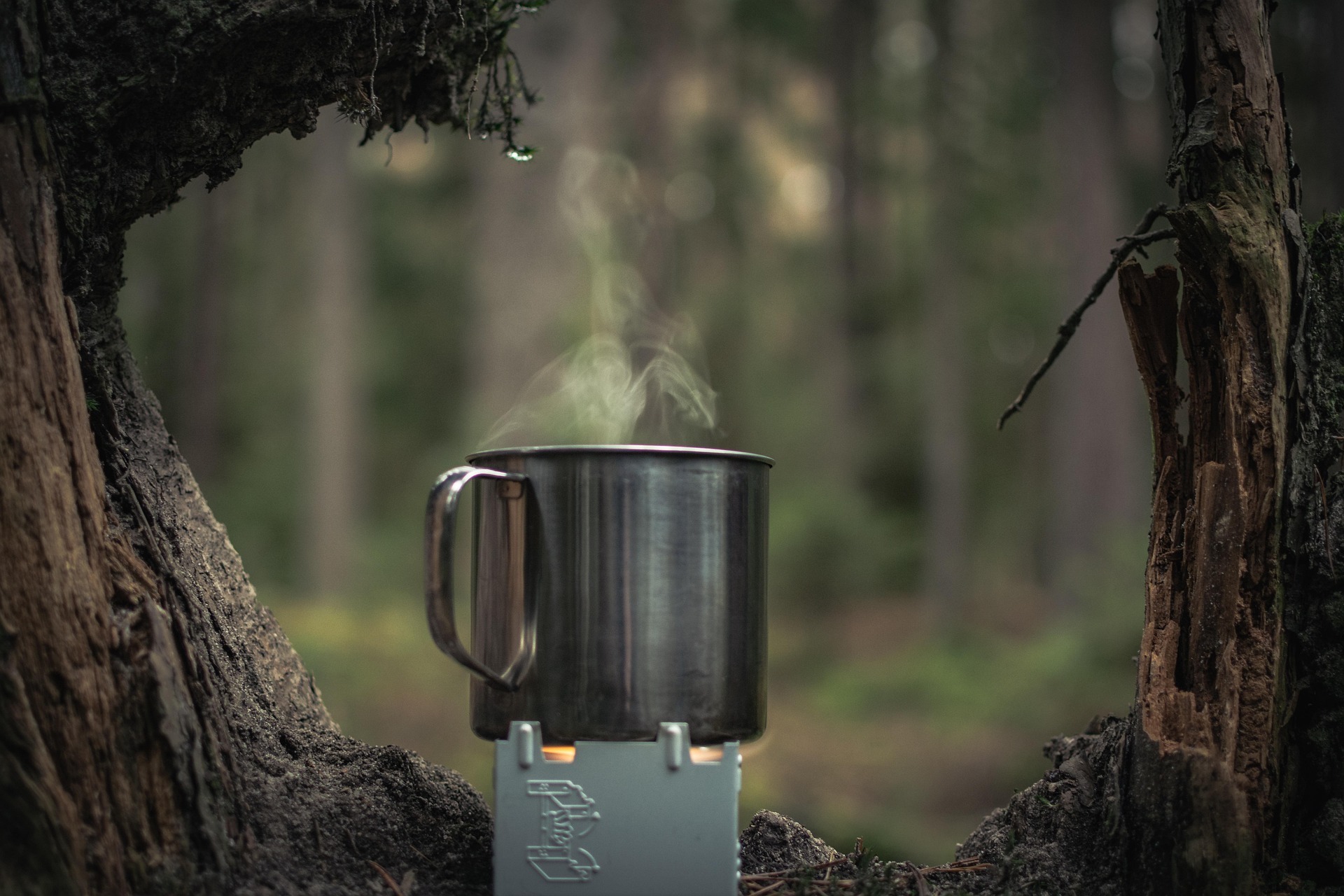
Do not light a fire simply because you have found a suitable-looking clearing. Fires may be prohibited, and even a small fire can scorch soil, damage roots or leave lasting marks. Use a stove only where permitted and in accordance with the site rules.
If you discover an old fire site, leave it alone unless the land manager has asked visitors to take a specific action. Don’t scatter ash or move burnt material into surrounding vegetation.
6. Complete a final woodland check
Before leaving, pause and look back over the area you’ve visited. Check the ground around your stopping point and make sure you’ve taken all your belongings and rubbish.
Ask yourself:
- Have I left any litter or food scraps?
- Have I damaged plants or bark?
- Have I moved natural materials unnecessarily?
- Have I disturbed wildlife or entered a restricted area?
- Have I followed the site’s access rules?
Don’t try to make the woodland look tidier than it naturally is. Fallen leaves, broken branches and decaying logs are part of a healthy woodland environment. Leaving no trace means avoiding unnecessary human impact, not removing natural signs of life.
If you notice a serious hazard, such as dumped chemicals, an unsafe structure or a dangerous fire site, keep clear and report it to the land manager or relevant authority rather than attempting to deal with it yourself.
Check Your Results
Once you’ve finished your visit, review what you observed and consider these questions:
- Why is staying on established paths important?
- Why should fallen deadwood usually be left where it is?
- What is the difference between natural woodland debris and litter?
- Why can food scraps cause problems even when they will eventually decompose?
- What should you do if you find evidence of an old fire or serious damage?
- How can you practise bushcraft skills without altering the woodland?
You should be able to explain how your decisions reduced your impact and identify at least three ways visitors can protect woodland habitats.
Complete the Challenge
To complete this challenge, carry out a woodland visit and demonstrate that you can follow low-impact practices. Record your observations and explain what you did to avoid disturbing wildlife, damaging vegetation or leaving rubbish behind.
Your evidence could include a photograph taken from an established path, a picture of your final equipment and litter check, or a short written record of the choices you made.
If you cannot visit woodland, you can complete a research-based version by assessing photographs or a suitable outdoor location and explaining how you would reduce your impact. Be clear about whether your evidence comes from an actual visit or a planned exercise.
How to Submit Your Challenge
Submit your evidence
- Go to your SGUK member profile.
- Open Social Activity.
- Upload a photograph of your evidence to the activity wall.
- Add the hashtag #SGUKChallenge47.
- Share it for verification.
Include a brief explanation of the actions you took to protect the woodland and what you learnt about leaving no trace.
Challenge 47 Checklist
Want to Push Yourself?
Apply the same principles to another outdoor setting, such as a beach, riverbank or open hillside. Consider how the potential impacts differ between habitats and which behaviours matter most in each location.
You could also research the Countryside Code and compare its advice with the decisions you made during this challenge. See how many of its principles you already follow and identify one habit you could improve on your next visit.
What’s Next?
Leaving no trace is a habit that makes every outdoor activity more responsible. Whether you’re walking, camping or learning bushcraft, taking care of the places you visit helps keep them healthy and enjoyable for others.
If you’d like to revisit the previous challenge, try SGUK Outdoor Skills Challenge 46: Learn Which Nuts Are Ready to Harvest in Autumn. You can complete SGUK challenges in any order, so choose the next skill that interests you.
Once you’ve shared your evidence and it has been verified, the SGUK Outdoor Skills Challenge 47 is complete and the completed challenges figure will be updated on your profile.
Learn. Practise. Master.
That’s what the SGUK Outdoor Skills Challenge is all about.
🔒Ready to test your survival skills?
Join Survival Guides UK for free, complete challenges, earn badges and increase your Survival Level.
JOIN FREE →
CRAIG BURR
FOUNDER · SURVIVAL GUIDES UK
I'm Craig, the person behind Survival Guides UK. I created SGUK because I wanted somewhere people could learn real outdoor skills in a practical, straightforward way — from lighting a fire and tying knots to navigation, campcraft and everything in between.
You can read more about the story behind SGUK here as well as our approach here.