
SGUK Outdoor Skills Challenge 60: Practise Predicting What Could Go Wrong on a Route
A route that looks straightforward on a map can become much more difficult when the weather changes, a path becomes muddy or someone in your group gets tired. Good outdoor judgement means thinking ahead rather than waiting for a problem to happen.
For this challenge, you’ll look at a real route and predict what could go wrong before deciding how you would respond.
Your Challenge
Choose a familiar outdoor route and identify at least five things that could cause difficulty along the way. For each one, decide what you could do to reduce the risk or respond if it happened.
What You’ll Need
- A familiar outdoor route
- Your knowledge of the area and its natural features
- A way to record your observations, using notes or photographs if you wish
You can complete this challenge by walking a suitable route or studying it before setting out. You do not need to deliberately encounter hazards or put yourself in a risky situation.
Take the Challenge
- Choose your route. Pick a route you know, such as a woodland path, a walk across open ground or a familiar section of countryside trail. Consider the terrain and the weather before deciding whether to walk it.
- Look for possible problems. As you study or walk the route, think about what could make progress difficult. You might notice slippery roots, muddy ground, exposed sections, confusing junctions, fallen branches or places where the path narrows.
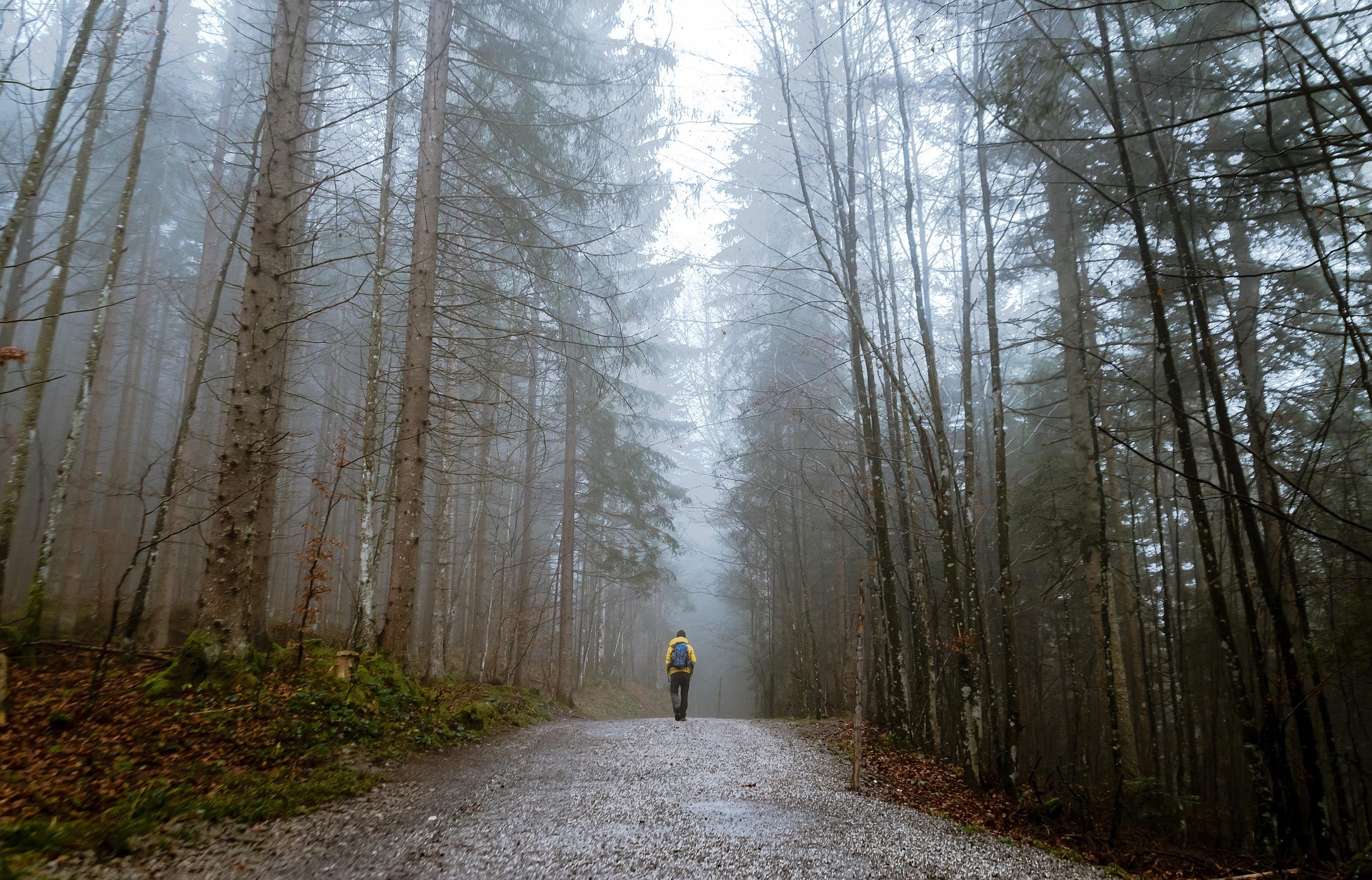
- Consider changing conditions. Imagine how the route might change after heavy rain, in strong winds, in fog or as daylight fades. A route that is easy in dry weather might become difficult to follow or unsafe in poor conditions.
- Think about the people using the route. Consider what could happen if someone becomes tired, gets cold, twists an ankle or needs to stop unexpectedly. Think about how the group’s pace and abilities affect your plans.
- Predict five problems. For each potential problem, explain what might cause it, what the consequences could be and what you would do to prevent or manage it. For example, if a path becomes flooded, you might turn back or use a known alternative rather than attempt an unsafe crossing.
- Choose a decision point. Identify one place where you would stop and reassess the situation if conditions became worse. Explain what signs would tell you it was time to change your plans.
Never test your predictions by deliberately entering dangerous terrain, crossing swollen watercourses or continuing into conditions you believe are unsafe. The aim is to practise making sensible decisions before they are needed.
Check Your Results
Check your route assessment against these points:
- Have you identified at least five realistic problems?
- Have you considered terrain, weather and the people on the route?
- Have you explained how each problem might affect the journey?
- Have you identified a sensible response or preventative action for each one?
- Do you know when you would turn back or choose another route?
Complete the Challenge
Your challenge is complete when you have identified five potential problems on a route and explained how you would prevent or respond to each one.
Take a photograph of a feature on the route that you assessed, or photograph your completed notes, to use as evidence.
How to Submit Your Challenge
Submit your evidence
- Go to your SGUK member profile.
- Open Social Activity.
- Upload a photograph of your evidence to the activity wall.
- Add the hashtag #SGUKChallenge60.
- Share it for verification.
Challenge 60 Checklist
Want to Push Yourself?
Choose a different route and repeat the exercise in another season or after a change in weather. Compare your predictions and see how much the potential problems change.
What’s Next?
If you haven’t completed the previous challenge, try SGUK Outdoor Skills Challenge 59: Teach a Friend One Navigation Technique. You can complete the SGUK Challenges in any order.
Once you’ve shared your evidence and it has been verified, the SGUK Outdoor Skills Challenge 60 is complete and the completed challenges figure will be updated on your profile.
Learn. Practise. Master.
That’s what the SGUK Outdoor Skills Challenge is all about.
🔒Ready to test your survival skills?
Join Survival Guides UK for free, complete challenges, earn badges and increase your Survival Level.
JOIN FREE →
CRAIG BURR
FOUNDER · SURVIVAL GUIDES UK
I'm Craig, the person behind Survival Guides UK. I created SGUK because I wanted somewhere people could learn real outdoor skills in a practical, straightforward way — from lighting a fire and tying knots to navigation, campcraft and everything in between.
You can read more about the story behind SGUK here as well as our approach here.