How to Plan a Short Walk Outdoors: Navigation for Children
Planning a walk is part of the adventure. You don’t need to plan every minute or create a complicated route, but taking a little time to think about where you’re going, how long you might be out and what you need can make a walk much more enjoyable.
Learning to plan a short walk also gives you a useful skill that you can build on as your confidence grows. Start with something simple and familiar, then gradually try longer or more challenging routes.
What You’ll Learn
By the end of this guide, you should understand:
- How to choose a suitable route
- Why it’s important to check the weather
- What to think about before setting off
- What equipment you might need
- Why someone should know where you’re going
Choose a Suitable Route
Start by choosing a route that matches your experience and the people taking part.
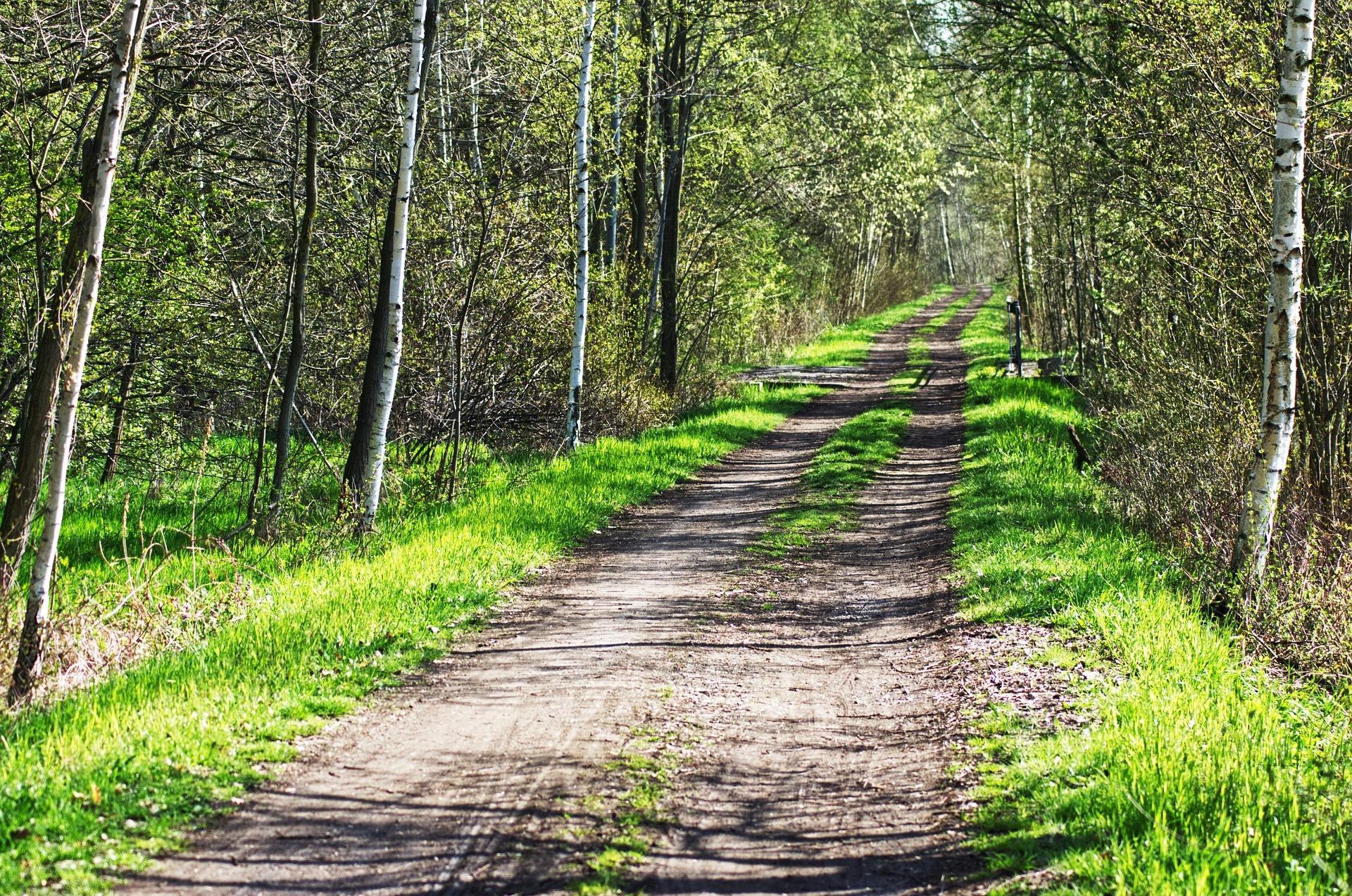
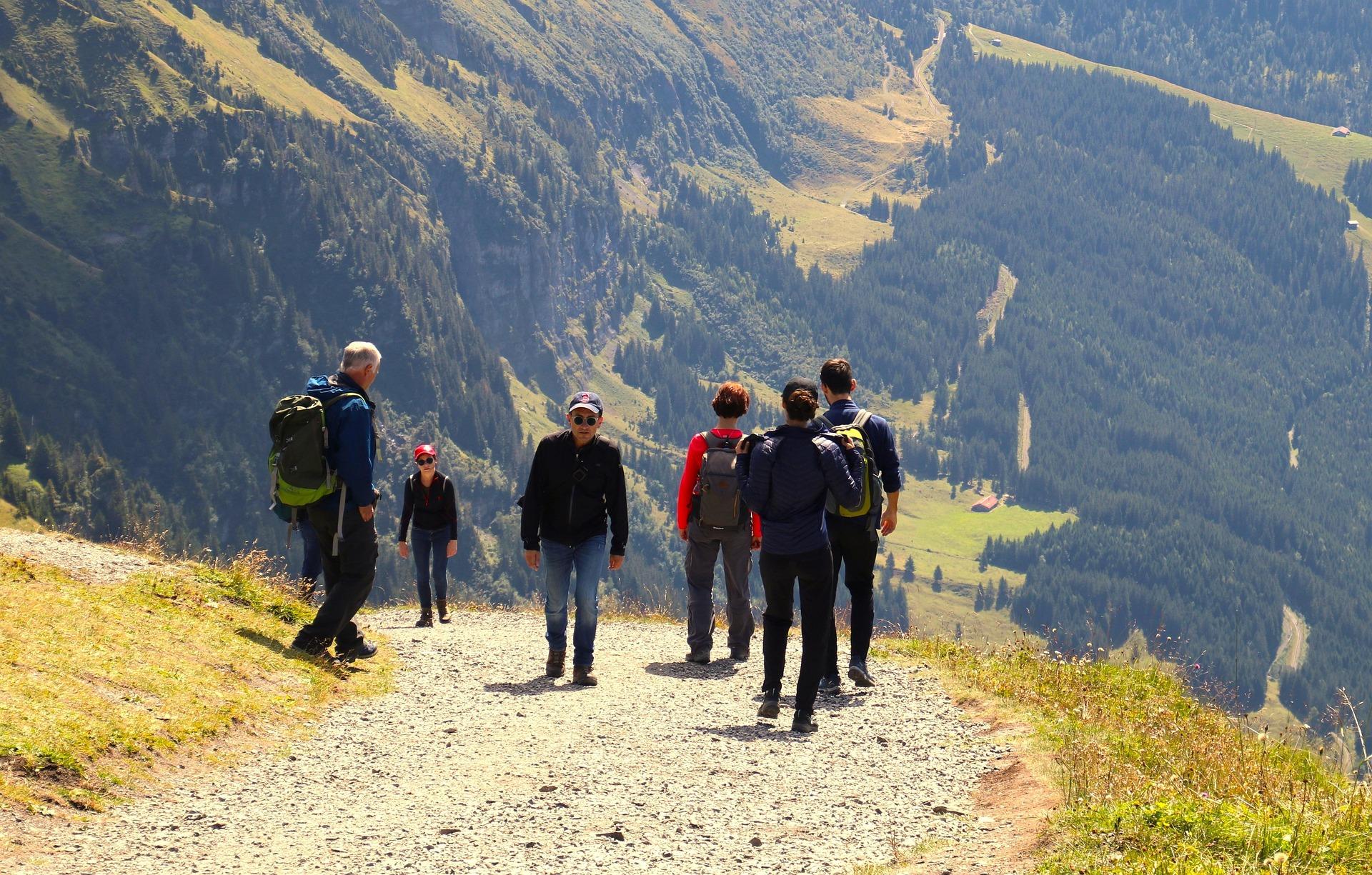
A short walk along a well-used path is a good place to begin. Think about the distance, the type of ground you’ll be walking on and whether there are any steep sections, streams, busy roads or other features that could make the walk more difficult.
It’s much better to plan a route that feels manageable than to discover halfway around that you’ve taken on more than you expected.
You can always make your walks longer as you become more confident.
Know Where You’re Going
Before setting off, take a look at the route.
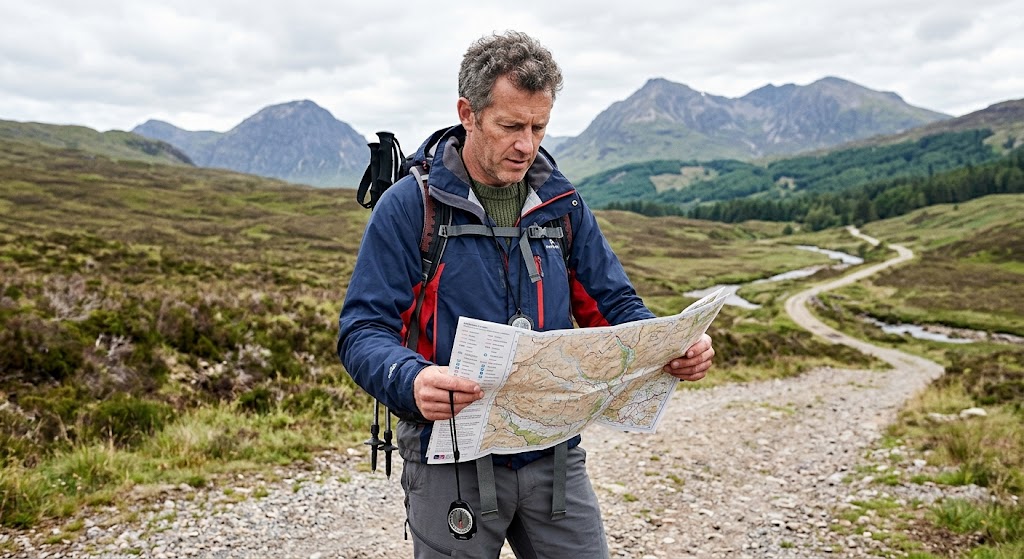
A map can help you understand where the paths go and identify useful landmarks along the way. You might also want to know where the walk starts and finishes, where you can stop for a rest and whether there are any obvious points where you could become unsure of the route.
You don’t have to memorise the entire map. The aim is to have a good idea of where you’re going before you start walking.
Check the Weather
Weather can make a big difference to even a short walk.
Check the forecast before you leave and think about what the conditions might mean for your route. Rain could make paths muddy, strong winds might make exposed areas unpleasant and hot sunshine means you’ll need to think about water, shade and sun protection.
If the weather is likely to make the route unsuitable, change your plans. Good outdoor planning means being willing to adapt.
Decide What You Need to Take
Think about what you’ll actually need rather than filling your bag with everything you own.
For a short walk, this might include water, suitable clothing, a waterproof layer and any personal items you need. Depending on where you’re going and who you’re walking with, you may also need a map, compass, first aid kit or other safety equipment.
The right equipment depends on the route and conditions, so there isn’t one perfect packing list for every walk.
Tell Someone Your Plans
Someone responsible should know where you’re going, particularly if you’re heading somewhere unfamiliar.
Make sure they know the general route, where you’re starting from and roughly when you expect to return. If your plans change significantly, let them know.
When children are walking with a parent, leader or other responsible adult, the adult should take responsibility for appropriate route planning and safety decisions.
Think About the Time
Don’t just think about how long the walking itself will take.
You may want to stop for photographs, look at wildlife, have a snack, practise navigation or simply sit and enjoy the surroundings. Give yourself enough time so that you don’t feel rushed.
It’s also sensible to avoid setting off so late that you could end up finishing in poor light.
Have a Backup Plan
Even a simple walk can sometimes change unexpectedly.
A path might be muddy, a route could be closed or the weather might deteriorate. Before setting off, think about what you could do if you couldn’t complete the planned route.
You might have a shorter route you can take instead, or a known point where you can turn around and head back.
Having a backup plan doesn’t mean expecting something to go wrong. It simply means you’re prepared to change your plans when you need to.
Final Tip
A good walk doesn’t need a complicated plan. Choose a suitable route, check the weather, take what you need and know where you’re going.
The more short walks you plan, the easier it becomes to judge distance, time, equipment and conditions. Before long, you’ll be able to look at a map and start planning your own little adventures.
🔒Ready to test your survival skills?
Join Survival Guides UK for free, complete challenges, earn badges and increase your Survival Level.
JOIN FREE →
CRAIG BURR
FOUNDER · SURVIVAL GUIDES UK
I'm Craig, the person behind Survival Guides UK. I created SGUK because I wanted somewhere people could learn real outdoor skills in a practical, straightforward way — from lighting a fire and tying knots to navigation, campcraft and everything in between.
You can read more about the story behind SGUK here as well as our approach here.