30-Minute Activity Plan: Water Wise Challenge
Water is something we often take for granted, but when you’re spending time outdoors, it becomes an important part of planning and preparation.
The Water Wise Challenge gets Scouts thinking about how much water they might need, how to protect their supply and why assumptions about finding water outdoors can be dangerous.
Rather than collecting or drinking water from natural sources, this activity focuses on planning, conservation and making sensible decisions.
Activity Overview
Time: 30 minutes
Group size: 6–30 Scouts
Age: Adaptable for Beavers, Cubs and Scouts
Location: Indoors or outdoors
Equipment: Water bottles, cups, containers, scenario cards, paper and pencils
The aim is for Scouts to understand why water is important, how to plan their supply and how to avoid wasting it during an outdoor activity.
Before You Start
Collect a selection of clean water bottles, cups and containers.
You can use empty containers for most of the activity.
Prepare several simple scenarios involving outdoor activities of different lengths.
Make it clear that Scouts should never drink water from an unknown natural source simply because it looks clean.
The activity is about planning and decision-making rather than testing water collection or purification techniques.
0–5 Minutes: Why Water Matters
Ask the Scouts:
“If you were going outside for the day, what would you need to take with you?”
Let them suggest a few items before asking specifically about water.
Then ask:
“How would your plan change if you couldn’t easily get more water?”
Discuss why water needs to be considered before setting off.
Explain that becoming thirsty can affect how comfortable and capable someone feels, particularly during physical activity or warm conditions.
5–15 Minutes: Pack the Water
Divide the Scouts into small teams.
Give each team several containers representing different amounts of water.
Then give them a series of fictional activities.
For example:
A short local walk
A half-day outdoor activity
A full day outdoors
A warm-weather activity involving plenty of physical exercise
Ask the teams to decide what they would take with them.
They should explain their reasoning.
Don’t focus on a single universal amount. Instead, discuss why requirements can change depending on factors such as activity, temperature, duration, access to safe drinking water and the individual.
15–25 Minutes: Water Wise Scenarios
Give each team a scenario.
Scenario 1: The Warm Day
Your group is outside on a warm day and the activity is taking longer than expected.
What should you consider?
Scenario 2: The Empty Bottle
One Scout has finished their water earlier than expected.
What should happen?
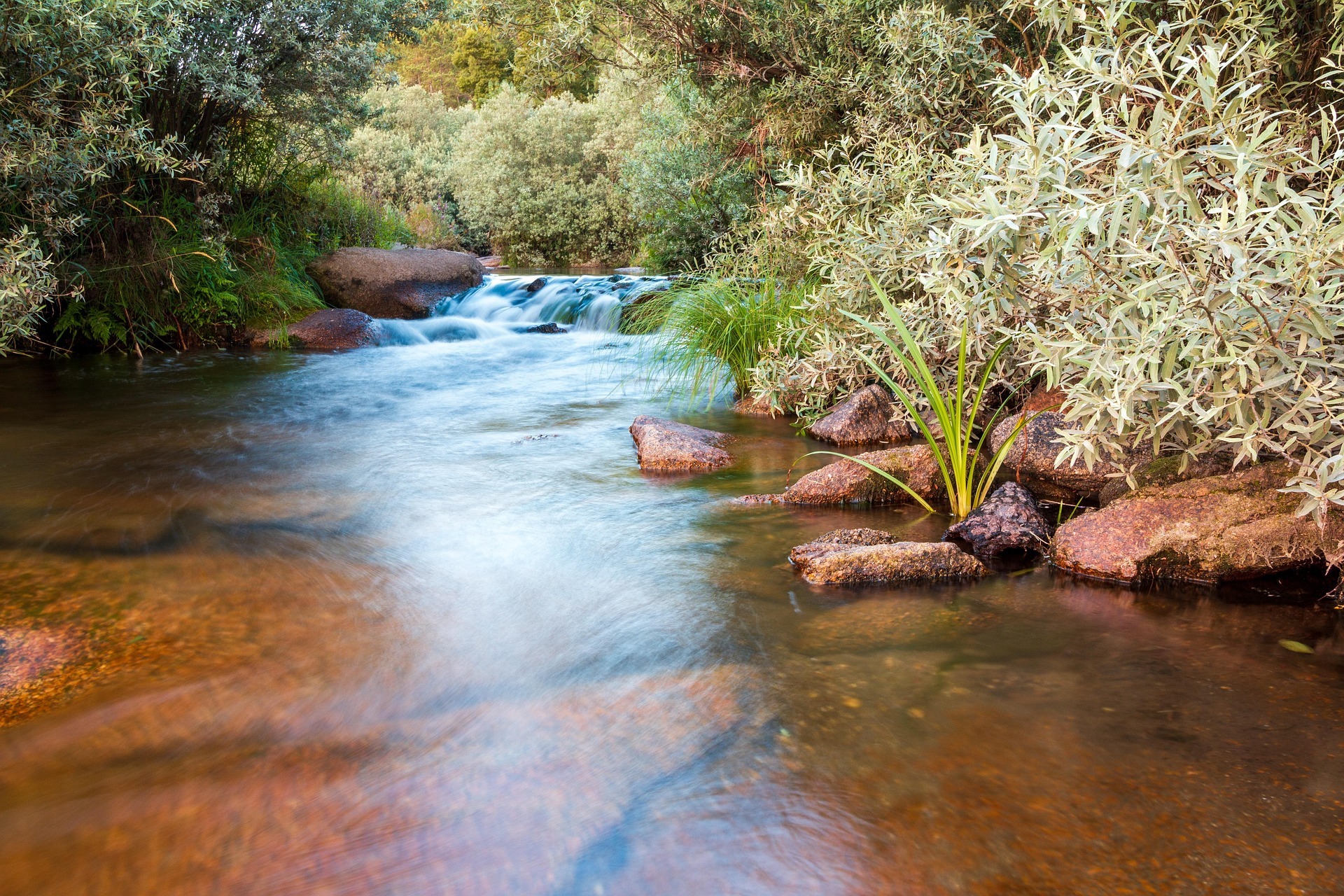
Scenario 3: The Unknown Stream
You discover a stream while walking.
The water looks clean.
Would you automatically drink it?
Why or why not?
Scenario 4: The Leaking Bottle
A Scout discovers that their bottle has been leaking inside their bag.
What could they have done to reduce the problem?
Give teams a few minutes to discuss their scenario before asking them to explain their decision.
25–30 Minutes: Save It or Use It?
Finish with a quick conservation challenge.
Give each team a container representing a limited amount of water.
Ask them to list the different reasons they might need water during an outdoor activity.
Then ask:
“If you had a limited supply, how could you avoid wasting it?”
Discuss sensible preparation, keeping containers secure and not assuming that a natural water source is automatically safe.
Finish by asking each Scout to name one thing they would check before leaving for an outdoor activity involving a limited water supply.
Safety
Do not encourage Scouts to drink from streams, ponds, rivers or other natural water sources.
Only use clean drinking water for any actual drinking activity.
Don’t deliberately restrict Scouts’ access to drinking water during the session.
Make sure Scouts can access suitable drinking water throughout the activity, particularly during warm weather or physical activity.
The activity should not involve dehydration experiments or deliberately making Scouts thirsty.
Leader Notes
Avoid presenting one fixed amount of water as appropriate for every outdoor situation.
The useful lesson is that Scouts should think about the activity, conditions, duration and available facilities before deciding what they need.
For Beavers, focus on remembering to bring a drink and telling an adult when they are thirsty.
For Cubs, introduce planning and avoiding waste.
For Scouts, encourage them to consider how water requirements can change according to activity and conditions.
This activity can also lead naturally into a separate session about water safety and safe drinking water.
Learning Outcomes
By the end of the activity, Scouts should have had the opportunity to develop:
Final Thought for Leaders
Water is one of the simplest things to overlook when preparing for an outdoor activity.
A bottle of water doesn’t take much planning, but forgetting it can make a big difference to someone’s day.
Teaching Scouts to think ahead, protect their supplies and never assume that natural water is safe to drink helps develop a sensible approach to outdoor preparation.
🔒Ready to test your survival skills?
Join Survival Guides UK for free, complete challenges, earn badges and increase your Survival Level.
JOIN FREE →
CRAIG BURR
FOUNDER · SURVIVAL GUIDES UK
I'm Craig, the person behind Survival Guides UK. I created SGUK because I wanted somewhere people could learn real outdoor skills in a practical, straightforward way — from lighting a fire and tying knots to navigation, campcraft and everything in between.
You can read more about the story behind SGUK here as well as our approach here.