30-Minute Activity Plan: Nature Detective Challenge
The outdoors is full of clues.
A broken twig, a feather, a footprint or a chewed leaf can tell a story about what has been happening nearby. Scouts don’t need to be expert naturalists to start noticing these details.
The Nature Detective Challenge encourages Scouts to slow down, observe their surroundings and look for signs of wildlife and changes in the environment.
The emphasis is on observation without disturbance. Scouts are detectives, not collectors.
Activity Overview
Time: 30 minutes
Group size: 6–30 Scouts
Age: Adaptable for Beavers, Cubs and Scouts
Location: Indoors or outdoors
Equipment: Nature photographs or observation cards, paper, pencils and optional magnifying glasses
The aim is to help Scouts develop observation skills and become more aware of the natural world around them.
Before You Start
Choose a suitable outdoor area where Scouts can safely observe nature.
You can also run the whole activity indoors using photographs, printed clues or objects that have been collected legally and responsibly beforehand.
Do not ask Scouts to collect feathers, nests, plants, insects or other natural objects from the environment.
Prepare several observation challenges.
Examples might include:
Find evidence that an animal has been nearby.
Find three different leaf shapes.
Find something that has changed because of the weather.
Find evidence of insects.
Find two different textures in the environment.
The objective is to observe, not disturb.
0–5 Minutes: Become a Detective
Ask the Scouts:
“If an animal walked through this area while we weren’t looking, how might we know it had been here?”
Take suggestions.
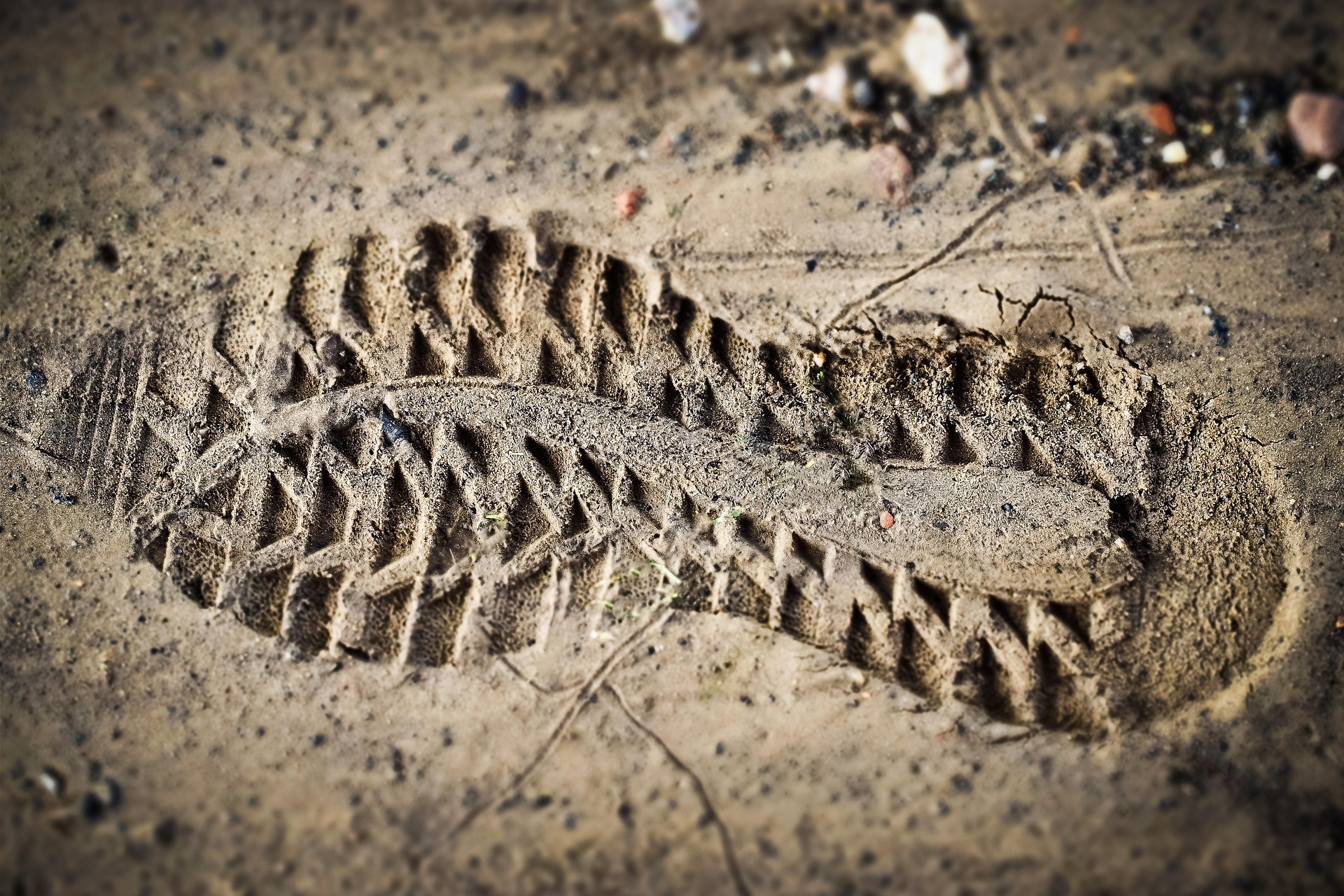
They might mention footprints, feathers, droppings, damaged plants or other signs.
Explain that nature detectives look for evidence rather than trying to disturb or catch wildlife.
Introduce the challenge:
Look carefully. Touch as little as possible. Leave everything where you found it.
5–15 Minutes: The Clue Hunt
Divide the Scouts into small teams.
Give each team a list of clues to find.
For example:
Allow the teams to explore the agreed area.
They can record what they find by writing descriptions or, where appropriate, taking photographs.
Don’t encourage Scouts to pick things up simply to prove they found them.
15–25 Minutes: What Happened Here?
Now choose a few interesting clues.
For example:
A leaf has several small holes in it.
A branch has been broken.
There are marks on the ground.
A tree has rough or damaged bark.
Ask the Scouts:
“What do you think happened here?”
Then ask:
“What else could explain it?”
The aim is to show that one clue doesn’t always provide a definite answer.
A damaged leaf might have been eaten by an insect, damaged by weather or affected by disease.
Encourage Scouts to think like investigators rather than immediately deciding that their first explanation must be correct.
25–30 Minutes: Detective Debrief
Bring the group together and ask:
“What was the easiest clue to spot?”
“What was the hardest?”
“Did anyone find something they couldn’t explain?”
Explain that not knowing the answer is perfectly acceptable.
Good observation often starts with noticing something unusual and asking a question.
Finish by asking Scouts to choose one thing they will pay more attention to the next time they are outdoors.
Safety
Use a safe, clearly defined area and maintain appropriate supervision.
Scouts should not approach, touch or feed wildlife.
Do not allow Scouts to handle unknown plants, fungi, animal droppings or other potentially hazardous materials.
Avoid areas with known hazards such as unstable ground, deep water, roads or dense vegetation.
Scouts should leave natural objects where they are and should not damage plants, trees or habitats to complete the challenge.
If using photographs or collected examples indoors, ensure anything used is safe and appropriate.
Leader Notes
The activity works best when Scouts are given time to explore rather than being rushed from clue to clue.
For Beavers, use simple challenges such as finding different colours, shapes and textures.
For Cubs, introduce signs of wildlife and encourage them to describe what they see.
Scouts can be challenged to distinguish between observation and assumption.
For example, instead of saying:
“A rabbit made these marks.”
encourage them to say:
“I found these marks and I think they might have been made by a rabbit because…”
This small change encourages evidence-based thinking.
If you have access to a woodland, park or suitable countryside location, the activity can become more detailed over time as Scouts learn to recognise different signs.
Learning Outcomes
By the end of the activity, Scouts should have had the opportunity to develop:
Final Thought for Leaders
One of the simplest ways to help young people connect with nature is to encourage them to stop and look.
You don’t need expensive equipment or expert knowledge.
A short walk can become much more interesting when Scouts start asking questions about what they can see and why things might have happened.
The best nature detectives aren’t necessarily the ones who know every answer. They’re the ones who notice things other people might walk straight past.
🔒Ready to test your survival skills?
Join Survival Guides UK for free, complete challenges, earn badges and increase your Survival Level.
JOIN FREE →
CRAIG BURR
FOUNDER · SURVIVAL GUIDES UK
I'm Craig, the person behind Survival Guides UK. I created SGUK because I wanted somewhere people could learn real outdoor skills in a practical, straightforward way — from lighting a fire and tying knots to navigation, campcraft and everything in between.
You can read more about the story behind SGUK here as well as our approach here.