30-Minute Activity Plan: Outdoor Cooking Challenge
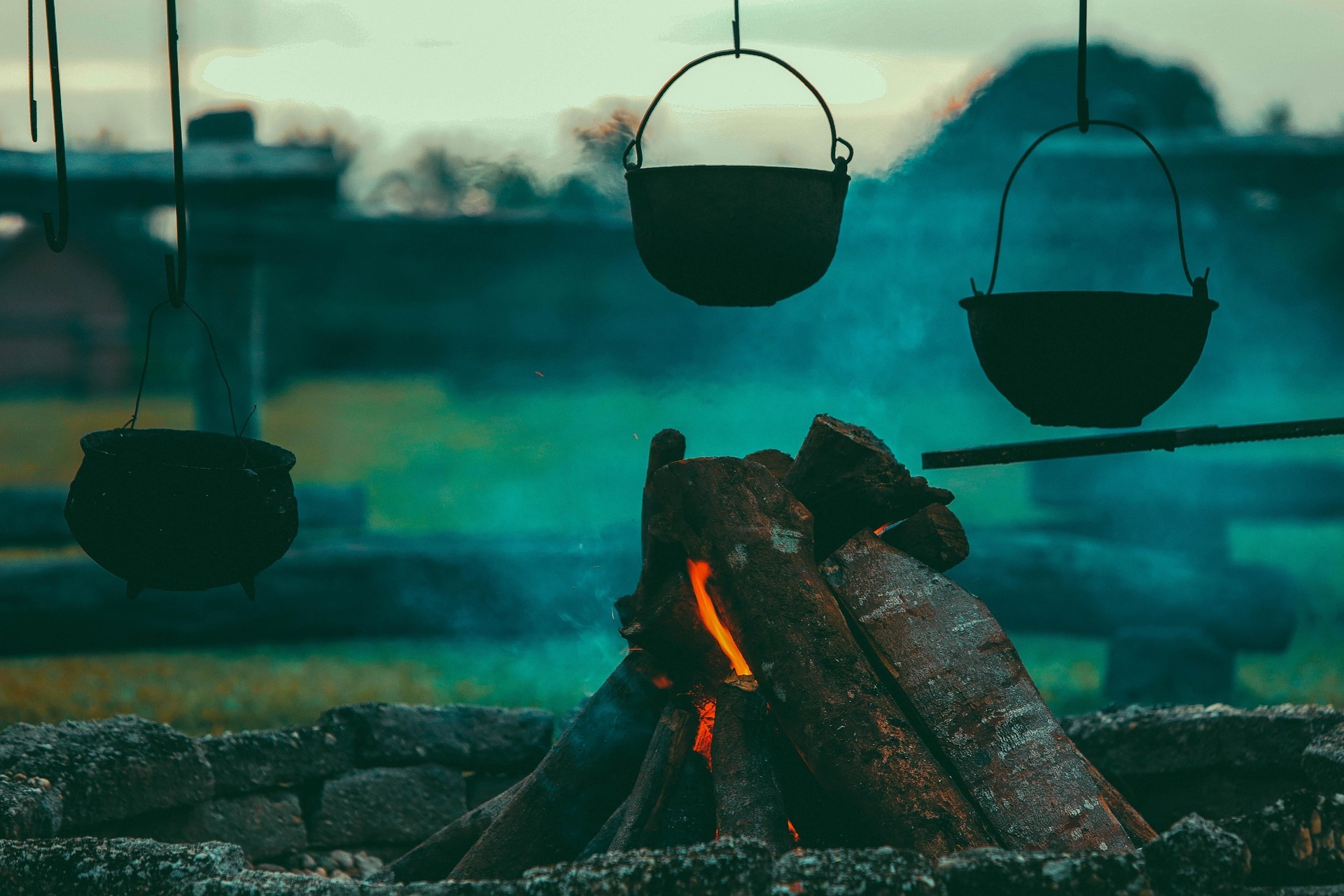
Outdoor cooking is about much more than preparing food.
Before anything is cooked, Scouts need to think about equipment, ingredients, hygiene, preparation, heat, time and what could go wrong.
The Outdoor Cooking Challenge introduces these ideas through a practical planning activity. Scouts work in teams to plan a simple outdoor meal and decide what equipment and preparation would be needed to make it safely.
The session can be run entirely without lighting a stove or fire, making it a useful preparation activity before a future outdoor cooking session.
Activity Overview
Time: 30 minutes
Group size: 6–30 Scouts
Age: Adaptable for Cubs and Scouts
Location: Indoors or outdoors
Equipment: Food packaging or photographs, camping cooking equipment, scenario cards, paper and pencils
The aim is for Scouts to understand that successful outdoor cooking depends on good preparation, hygiene, suitable equipment and safe decisions.
Before You Start
Prepare a selection of clean cooking equipment and food packaging.
You might include bowls, utensils, mugs, containers, chopping boards, camping cookware and examples of ingredients.
There is no need to use actual cooking appliances during this activity.
Check all equipment beforehand and remove anything sharp or unsuitable for the age group.
If discussing food, be aware of allergies and dietary requirements within your group.
0–5 Minutes: What Makes a Good Outdoor Meal?
Ask the Scouts:
“What would make a good meal to cook outdoors?”
Take a few suggestions.
Then ask them to think beyond the food itself.
What equipment would they need?
How would they keep everything clean?
How would they store the ingredients?
How would they deal with rubbish?
What would happen if the weather changed?
Explain that good outdoor cooking starts with planning.
5–15 Minutes: Build Your Meal Plan
Divide the Scouts into small teams.
Give each team a simple meal to plan.
For example:
Ask them to decide what they would need.
Their plan should include:
Ingredients
Cooking equipment
Eating equipment
Water
Cleaning equipment
Waste disposal
Suitable storage
They should also consider how long preparation and cooking might take.
For younger Scouts, provide a selection of items to choose from.
Older Scouts can create their own equipment list.
15–25 Minutes: Cooking Problems
Now introduce a series of problems.
Give each team one scenario at a time.
Scenario 1: Missing Equipment
You’ve arrived at camp and discover that an important piece of cooking equipment has been forgotten.
What can you change about your meal?
Scenario 2: Food Storage
Your meal contains ingredients that need to be kept appropriately stored.
How will you protect them before they’re used?
Scenario 3: Bad Weather
Rain begins just before you’re due to prepare the meal.
What could you change about your plan?
Scenario 4: Limited Time
You have less time than expected.
How could you simplify the meal while still preparing it safely?
Ask the teams to explain their solutions.
The aim isn’t to find a clever shortcut. Encourage Scouts to consider whether their solution remains practical and safe.
25–30 Minutes: The Kitchen Check
Finish by asking each team to imagine they’re about to start cooking.
Give them one minute to name everything they would check before beginning.
Guide the discussion towards:
Clean hands and equipment
Safe food storage
Suitable preparation area
Appropriate cooking equipment
Safe heat source
Adult supervision where required
A plan for dealing with waste
Finish by reminding Scouts that food preparation and cooking should never be rushed simply because the group is hungry.
Safety
This activity is primarily a planning exercise and does not require a stove, fire or other heat source.
Do not allow Scouts to operate cooking equipment involving heat unless this is part of a separately planned and appropriately supervised activity.
Take food allergies, intolerances and dietary requirements seriously.
Use clean equipment and avoid unnecessary handling of food during the activity.
If sharp cooking equipment is included for demonstration, ensure it is appropriate for the age group and controlled by a responsible adult where necessary.
Never leave a cooking heat source unattended during a real outdoor cooking session.
Leader Notes
The most useful part of this activity is getting Scouts to think about everything that happens before and after cooking.
It’s easy to remember the ingredients and forget the water, cleaning equipment, storage or waste.
For Cubs, keep the meal simple and provide equipment choices.
Scouts can be challenged to plan a meal using a limited number of items or a restricted amount of equipment.
You can also ask them to compare two meals and decide which would be more practical outdoors.
This session works particularly well immediately before a real outdoor cooking activity because Scouts have already thought through the planning process.
Learning Outcomes
By the end of the activity, Scouts should have had the opportunity to develop:
Final Thought for Leaders
Cooking outdoors can look simple once the food is on the heat.
The real skill is everything that happens beforehand.
Helping Scouts understand preparation, hygiene, equipment and contingency planning gives them a much stronger foundation for practical outdoor cooking later on.
It also reinforces a wider lesson that applies to many Scout activities: good preparation makes the activity safer, easier and more enjoyable.
🔒Ready to test your survival skills?
Join Survival Guides UK for free, complete challenges, earn badges and increase your Survival Level.
JOIN FREE →
CRAIG BURR
FOUNDER · SURVIVAL GUIDES UK
I'm Craig, the person behind Survival Guides UK. I created SGUK because I wanted somewhere people could learn real outdoor skills in a practical, straightforward way — from lighting a fire and tying knots to navigation, campcraft and everything in between.
You can read more about the story behind SGUK here as well as our approach here.