30-Minute Activity Plan: Outdoor Equipment Detective
A Scout leader can have a room full of outdoor equipment, but how much of it could Scouts actually identify and explain?
The Outdoor Equipment Detective activity turns ordinary camping and outdoor kit into a practical investigation. Scouts examine unfamiliar or less commonly used items, work out what they are designed to do and decide which pieces of equipment would be useful in different situations.
The activity encourages curiosity and practical thinking rather than simply asking Scouts to memorise equipment names.
Activity Overview
Time: 30 minutes
Group size: 6–30 Scouts
Age: Adaptable for Beavers, Cubs and Scouts
Location: Indoors or outdoors
Equipment: Selection of camping and outdoor equipment, scenario cards, paper and pencils
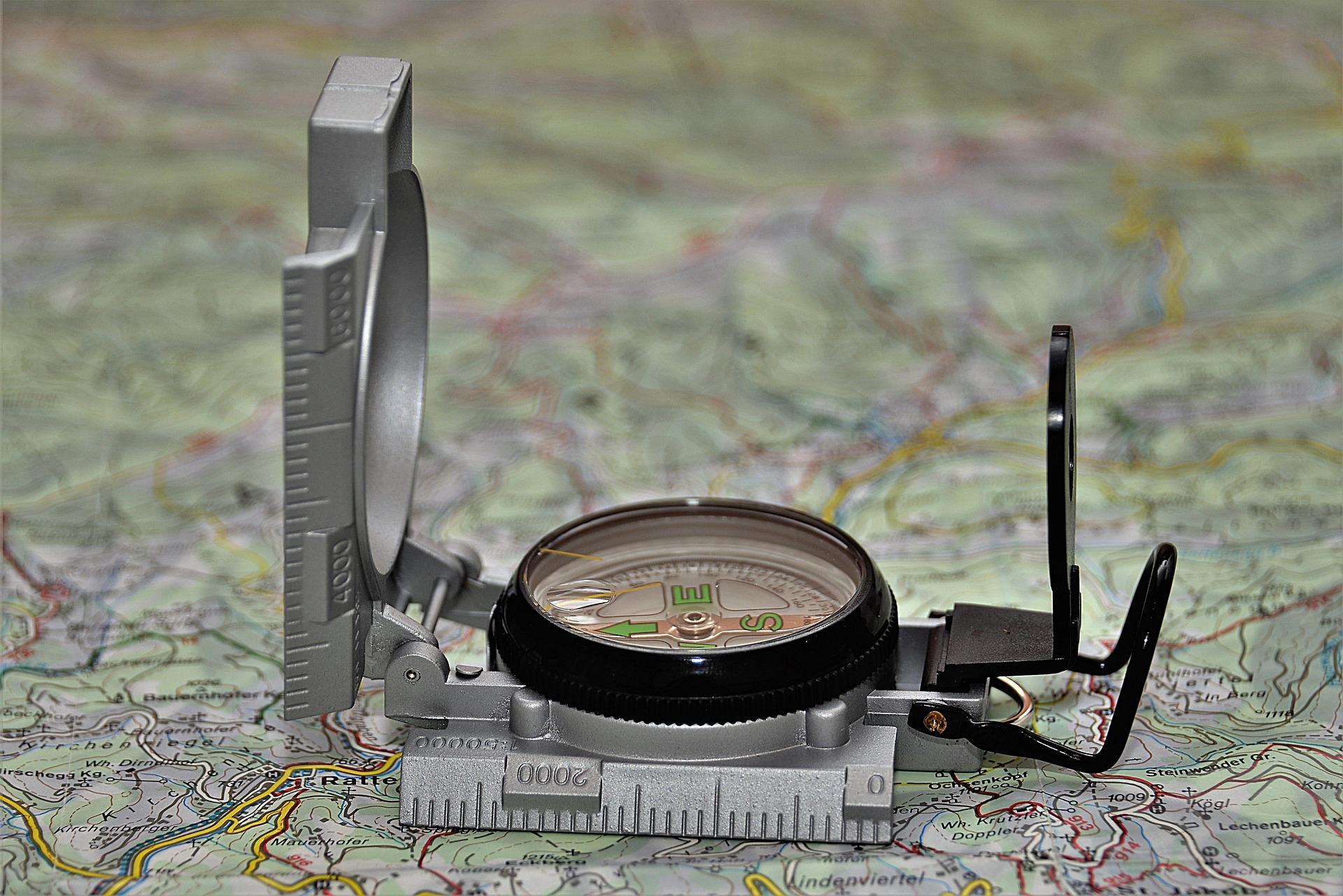
Possible items include guy lines, tent pegs, ground sheets, compasses, waterproof bags, cooking equipment, cordage, tarpaulins, headtorches and other suitable kit.
You don’t need specialist equipment. Ordinary items from your Scout equipment store can work extremely well.
Before You Start
Collect a selection of equipment and place it where Scouts can examine it safely.
Try to include some familiar objects alongside less obvious items.
Check everything beforehand for damage, sharp edges or other hazards.
Don’t include equipment that Scouts shouldn’t handle without specialist supervision.
For younger groups, choose straightforward items. Older Scouts can be given equipment they may not have encountered before.
0–5 Minutes: What Is It?
Place several pieces of equipment in front of the group.
Pick up one item and ask:
“What do you think this is used for?”
Don’t reveal the answer immediately.
Ask Scouts what clues they can see. Is it made from metal, fabric, rope or plastic? Does it have a particular shape or feature that suggests what it does?
Explain that the aim isn’t to guess correctly every time. It’s to learn how to examine an unfamiliar piece of equipment and make an informed decision.
5–15 Minutes: Equipment Detective
Divide the Scouts into small teams.
Give each team several pieces of equipment.
Their challenge is to identify:
What is it?
What is it designed to do?
When might you use it?
What could happen if you used it incorrectly?
Allow the teams a few minutes to investigate their equipment.
They can discuss it, examine how parts fit together and compare it with other objects.
Bring the group together and ask each team to present one item.
If they have guessed incorrectly, use the opportunity to explain the real purpose and why the design makes sense.
15–25 Minutes: Choose the Kit
Now give each team a fictional outdoor situation.
For example:
Scenario 1: Wet Campsite
Your team is setting up camp and heavy rain is expected.
Which three pieces of equipment would you prioritise?
Scenario 2: Evening Activity
You’re going outside after dark for a short activity.
What equipment would you want and why?
Scenario 3: Windy Conditions
You’re putting up temporary outdoor equipment and the wind is increasing.
Which equipment might help you secure things safely?
Scenario 4: Day Walk
You’re heading out for several hours.
Which pieces of equipment are useful, and which can reasonably be left behind?
Give each team a selection of equipment and ask them to choose what they would take.
The team must explain their choices.
Encourage Scouts to think about weight, usefulness, safety and the conditions rather than simply choosing the most interesting items.
25–30 Minutes: The One-Item Challenge
Finish by holding up a piece of equipment and asking:
“If you could only take one item from this selection, which would you choose?”
There isn’t necessarily one correct answer.
Ask several Scouts to explain their choices.
Then ask:
“What extra information would you need before making that decision?”
This reinforces the idea that equipment choices depend on the activity, conditions, location and people involved.
Safety
Only use equipment that is appropriate for the age group and safe to handle.
Do not allow Scouts to operate stoves, axes, saws, knives or other potentially hazardous equipment as part of this activity unless this is covered by a separate, appropriately planned and supervised session.
Check ropes, tent pegs and other equipment for damage before use.
Keep equipment organised so that Scouts aren’t tripping over bags, ropes or other items.
Make it clear that equipment should never be used for a purpose it wasn’t designed for simply because it appears suitable.
Leader Notes
Try to include a few items that Scouts are unlikely to recognise immediately.
The purpose isn’t to make the activity into a memory test. Encourage Scouts to look at an object carefully and use clues to work out its purpose.
For Beavers, use familiar items and ask simple questions about what each object does.
For Cubs, introduce the idea of choosing equipment for different situations.
Scouts can be challenged to plan equipment for a specific activity while considering weight, weather, duration and safety.
If you have a large group, create several equipment stations and rotate teams around them.
This activity can also be used as an introduction to a later practical session. For example, equipment identified here could then be used during a camping or campcraft activity.
Learning Outcomes
By the end of the activity, Scouts should have had the opportunity to develop:
Final Thought for Leaders
Good outdoor skills aren’t just about knowing how to use equipment.
They also involve understanding what equipment you actually need and why.
Giving Scouts the opportunity to examine unfamiliar objects and work out their purpose encourages curiosity and practical thinking. It also helps them become more confident when preparing their own kit for future activities.
The next time they open a camping cupboard, they may look at the equipment a little differently.
🔒Ready to test your survival skills?
Join Survival Guides UK for free, complete challenges, earn badges and increase your Survival Level.
JOIN FREE →
CRAIG BURR
FOUNDER · SURVIVAL GUIDES UK
I'm Craig, the person behind Survival Guides UK. I created SGUK because I wanted somewhere people could learn real outdoor skills in a practical, straightforward way — from lighting a fire and tying knots to navigation, campcraft and everything in between.
You can read more about the story behind SGUK here as well as our approach here.