30-Minute Activity Plan: Outdoor Skills Challenge
Activity Type: Outdoor Skills
Age Range: Beavers, Cubs, Scouts or Explorers
Duration: 30 minutes
Group Size: Small groups or Patrols
Location: Outdoors or a suitable indoor space
Equipment: Paper, pens and a selection of basic outdoor equipment appropriate to the group
Activity Overview
This quick activity gives young people the chance to practise several outdoor skills while working as a team.
Rather than teaching one specific skill, the session presents a series of short challenges.
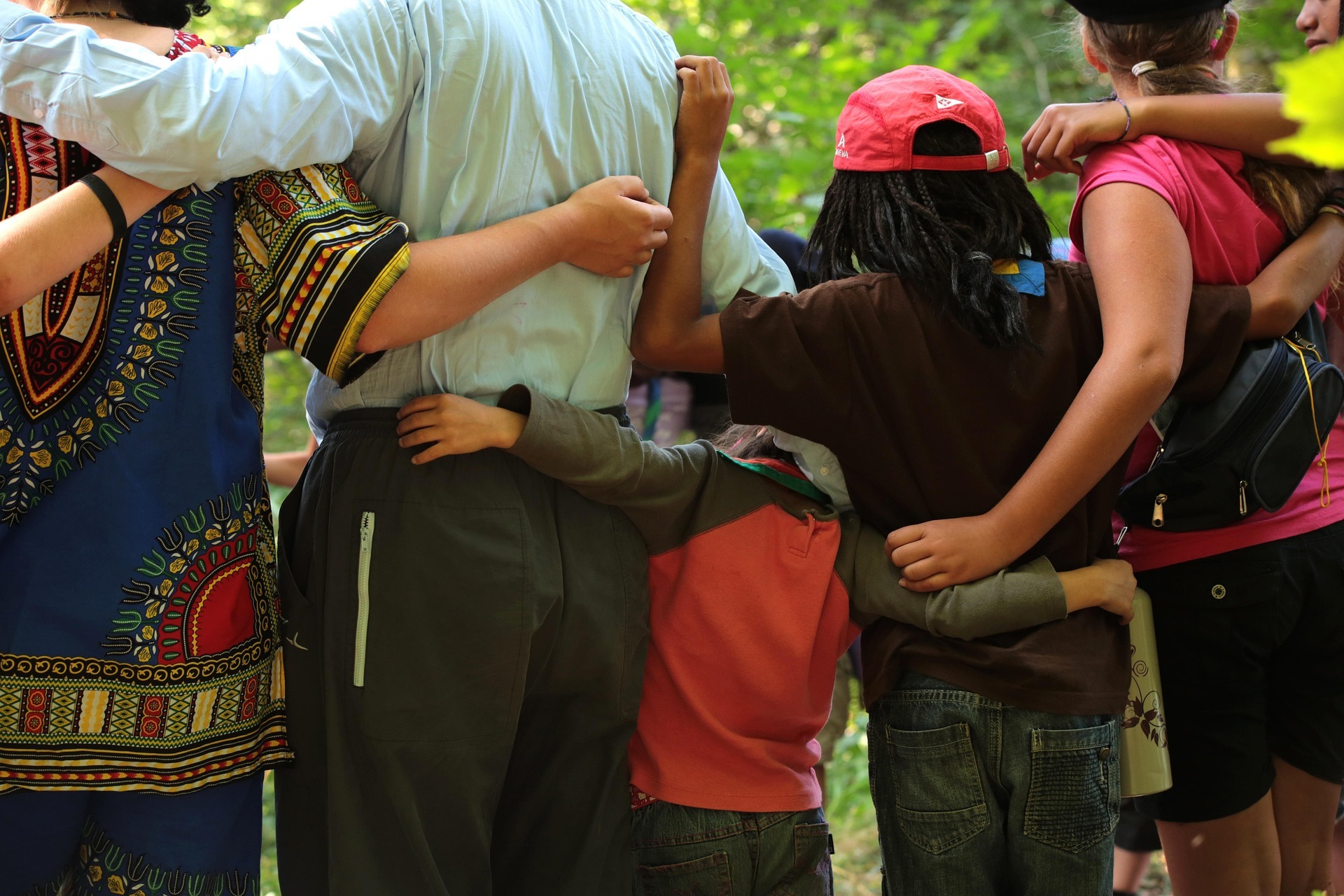
The aim is to encourage young people to think, communicate and solve problems together.
It works particularly well as a quick filler activity at a meeting, as part of a camp programme or when you have around half an hour available.
What You’ll Need
Keep the equipment simple.
Depending on the age and ability of the group, you could use:
You don’t need to use everything.
Choose the equipment that matches the skills you want to practise.
Before You Start
Prepare three or four short challenges.
For example:
Navigation: Find a location on a map.
Knots: Choose the correct knot for a simple task.
First Aid: Decide what you would do in a fictional emergency.
Camping: Decide what equipment would be useful for an overnight camp.
Keep the challenges appropriate for the age and experience of the group.
0–5 Minutes: Introduction
Bring everyone together and explain the challenge.
Tell them that there isn’t necessarily one person who will know all the answers.
The aim is to work together.
Explain that you’ll give them a series of problems and they need to discuss the best solution.
Leader Tip
Don’t immediately correct every mistake.
Ask questions instead.
“Why did you choose that?”
“What could happen if you did that?”
“Is there another option?”
5–20 Minutes: The Challenges
Divide the group into small teams.
Give each team a challenge to complete.
Allow approximately five minutes for each challenge before moving on.
Challenge 1: Navigation
Give the group a map and ask them to identify a particular feature or location.
For older groups, give them a grid reference or ask them to plan a short route.
Challenge 2: Outdoor Problem
Give the team a fictional scenario.
“You’re halfway through a walk when the weather suddenly becomes much worse. What do you do?”
Ask them to identify the safest course of action.
Challenge 3: First Aid
Give them a simple fictional casualty scenario.
“Someone has fallen and injured their ankle. What should happen next?”
The team should explain their response rather than physically recreating the injury.
Challenge 4: Camping
Give the team a list of equipment.
Ask:
“You’re going camping for one night. Which items do you actually need?”
Let them discuss their choices.
20–25 Minutes: Team Review
Bring everyone back together.
Ask each team to explain one of their answers.
Don’t worry if different teams made different decisions.
Use the opportunity to discuss why they chose their particular solution.
Ask:
What worked well?
What was difficult?
Did everyone agree?
Would you change anything?
This is often where the most useful learning happens.
25–30 Minutes: Final Challenge
Finish with one final scenario that combines several skills.
For example:
“You’re on a camping trip. A member of your group has injured their ankle and the weather is getting worse. You need to decide what to do and explain how you would get help.”
Give teams a few minutes to discuss their response.
Ask them to consider:
Safety
Location
Communication
First aid
Weather
Getting help
There doesn’t need to be a complicated answer.
The aim is to see whether the group can stop, assess the situation and make sensible decisions.
Adapting the Activity
For Beavers, keep the challenges simple and use lots of visual prompts.
For Cubs, introduce basic navigation, first aid and camping decisions.
For Scouts, make the scenarios more realistic and allow Patrols to take greater responsibility.
For Explorers, introduce more complicated situations involving route planning, changing weather, leadership and emergency decision-making.
Safety
Make sure all activities are appropriate for the age, ability and experience of the young people involved.
Don’t create real emergencies for the purpose of a scenario.
First aid activities should use fictional situations and appropriate training equipment.
Navigation activities should take place within clearly defined boundaries.
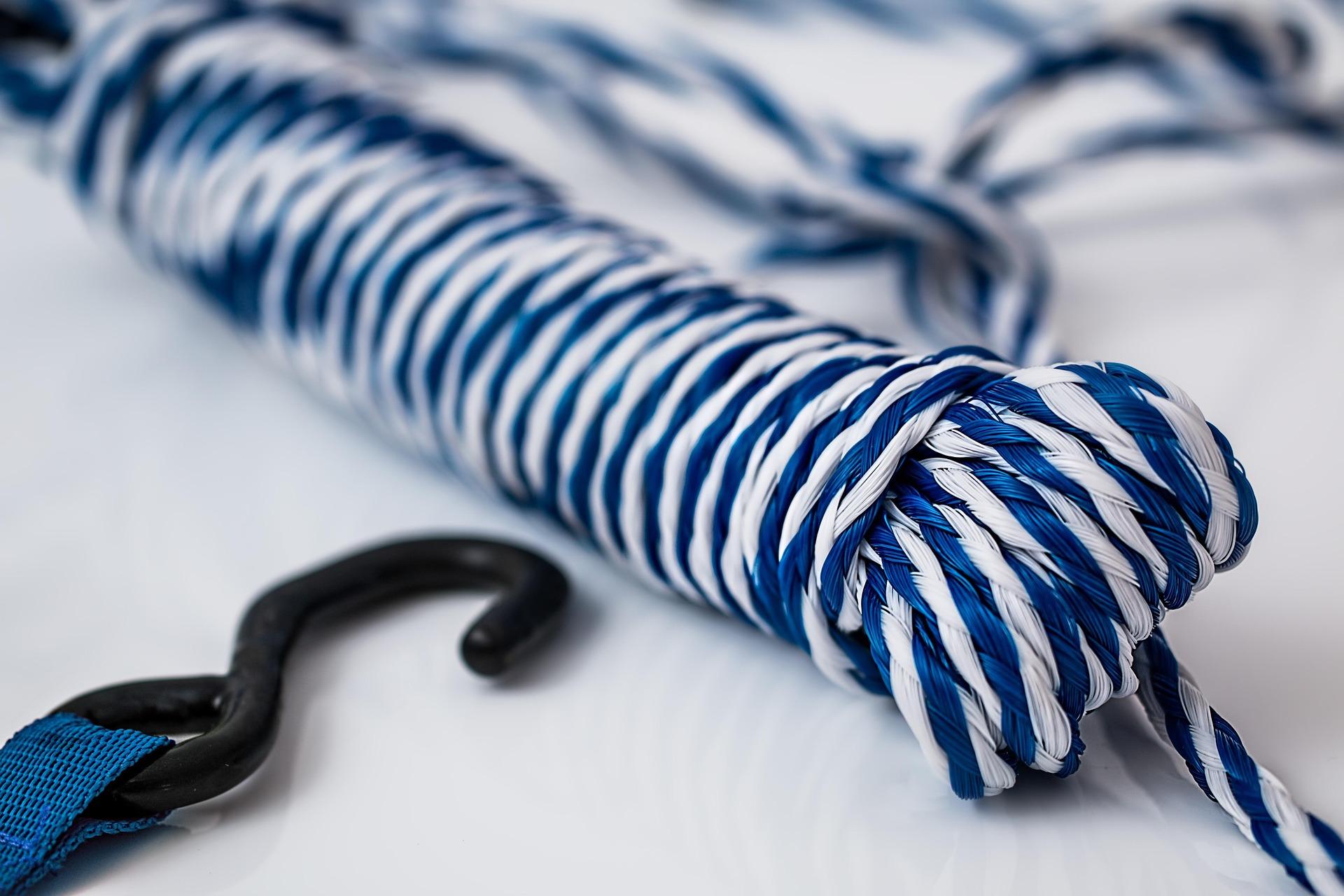
If using rope, tools, fire equipment or other specialist equipment, ensure appropriate instruction, supervision and risk assessment are in place.
Follow current Scouts safety and safeguarding guidance.
Leader Notes
This activity works best when leaders resist the temptation to turn it into a test.
There may be several sensible answers.
The important thing is whether the young people can explain their thinking.
You can also use the activity to identify areas where the group needs more training.
If nobody understands a particular navigation task, for example, that gives you a useful topic for a future session.
Quick Version
If you only have a few minutes to prepare, use three questions:
“What would you do?”
“Why?”
“What could go wrong?”
Give the group a different outdoor scenario for each question.
You can run the entire activity with almost no equipment.
Learning Outcomes
By the end of the activity, young people should have had an opportunity to practise:
Teamwork
Communication
Problem-solving
Risk awareness
Decision-making
Outdoor skills
The activity can also help leaders identify which skills the group would benefit from practising next.
Final Thought for Leaders
A good activity doesn’t always need complicated equipment or a detailed programme.
Sometimes the best learning comes from giving young people a problem and allowing them to work out what they would do.
LEADER TIP
Ask questions. Let them think. Let them explain.
The goal isn’t always to give them the right answer.
It’s to help them learn how to make good decisions outdoors.
🔒Ready to test your survival skills?
Join Survival Guides UK for free, complete challenges, earn badges and increase your Survival Level.
JOIN FREE →
CRAIG BURR
FOUNDER · SURVIVAL GUIDES UK
I'm Craig, the person behind Survival Guides UK. I created SGUK because I wanted somewhere people could learn real outdoor skills in a practical, straightforward way — from lighting a fire and tying knots to navigation, campcraft and everything in between.
You can read more about the story behind SGUK here as well as our approach here.