Explorer Challenge Awards Explained | UK Scouts
The Explorer section is where young people can start taking much more ownership of their Scouting experience.
The new Explorer Challenge Awards are designed around that idea.
Rather than simply completing a series of short activities, Explorers choose a meaningful challenge, plan how they are going to tackle it, take action, review what they have learned and record their experience.
There are six Explorer Challenge Awards:
Adventure
Community
Employability
International
Leadership
Values
Each award can only be completed once, so Explorers are encouraged to choose projects that genuinely interest them.
⚠️ SAFETY FIRST
Explorer Challenge Awards can involve adventurous activities, travel, volunteering, outdoor activities, leadership and working with other people.
Activities should always be properly planned, risk assessed and appropriately supervised. Explorers should understand the risks involved and know when to ask for help.
Follow current Scouts safety, safeguarding and activity guidance, particularly for adventurous activities, expeditions, water activities, night activities, tools, cooking and travel.
How Do the Challenge Awards Work?
All six Challenge Awards follow the same basic journey.
An Explorer:
Chooses something they want to achieve.
Plans how they are going to do it.
Takes action and completes the challenge.
Reviews and reflects on the experience.
The Scouts programme uses six Experience Principles to help structure the process:
Discover
Create
Solve
Mobilise
Experience
Reflect
These aren’t six separate tasks that need to be completed one after another.
Instead, they’re ways of thinking about the project.
What are you going to discover?
What are you going to create?
What problems might you need to solve?
Who will you involve?
What will you actually experience?
What have you learned?
Adventure Challenge Award
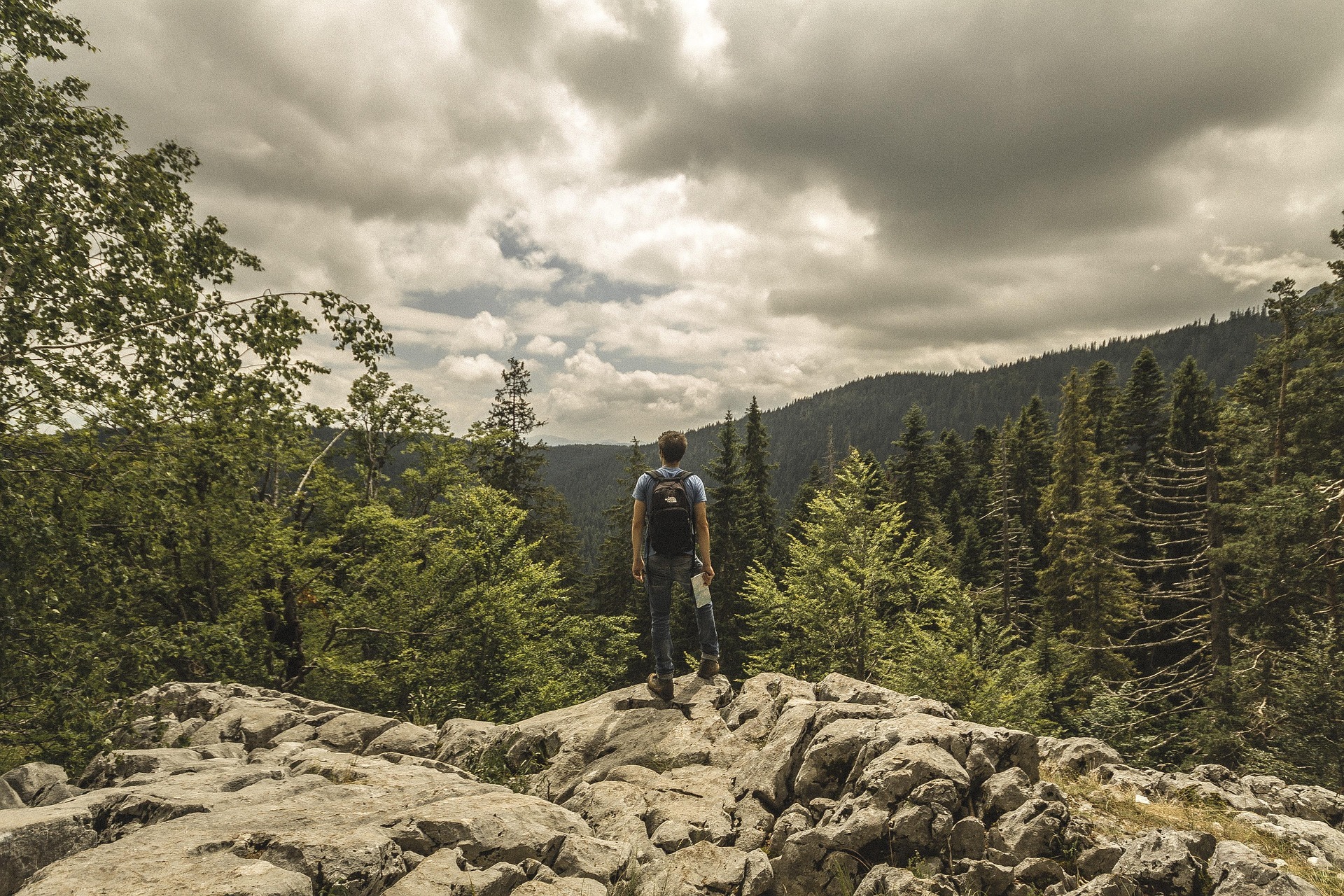
The Adventure Challenge Award is about pushing yourself beyond your usual experiences.
An Explorer chooses an appropriate challenge connected with adventure and develops it into a project.
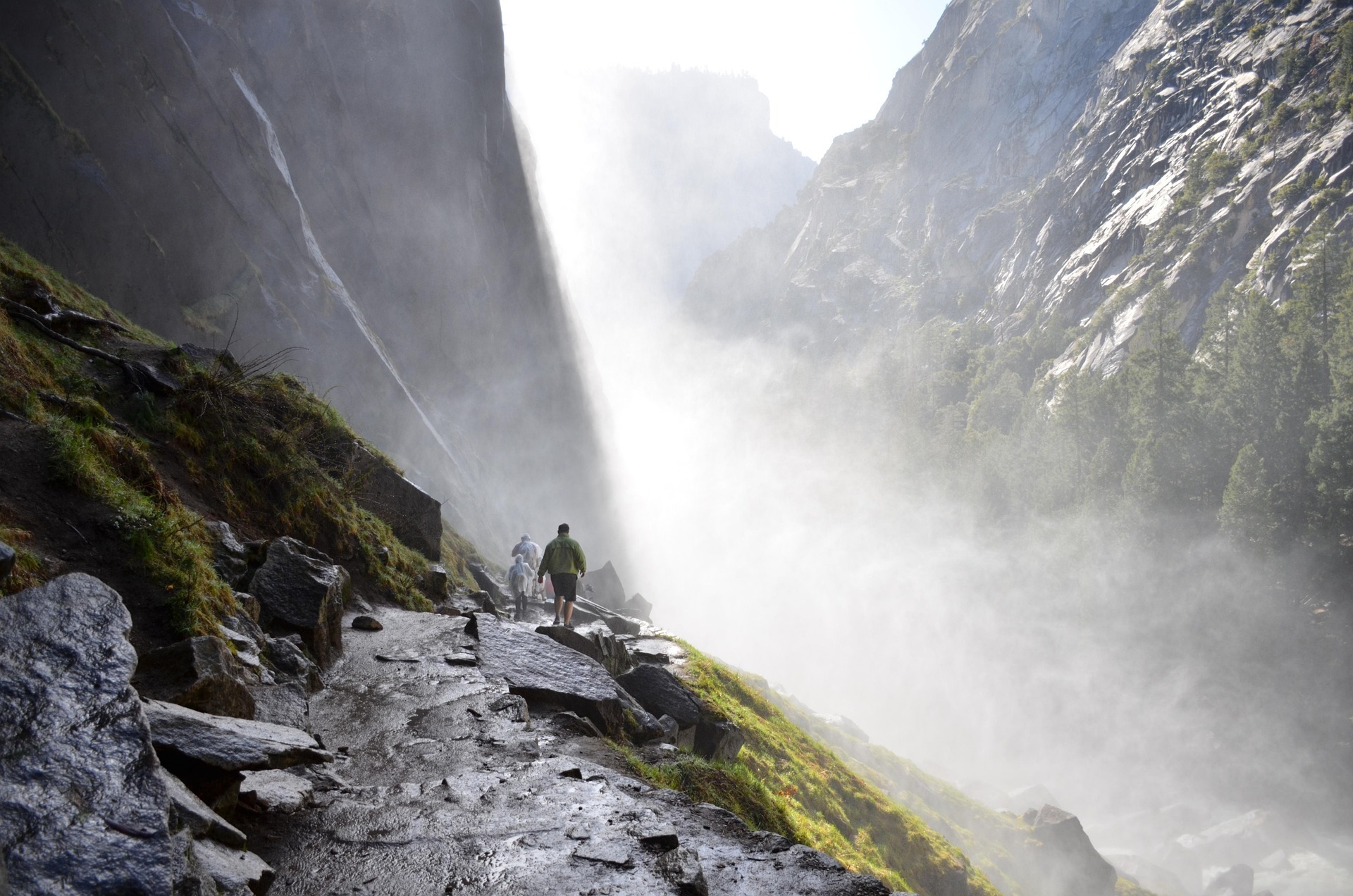
That could involve outdoor activities, exploring somewhere new, taking on a demanding physical challenge or developing skills associated with adventure.
The important thing is that the Explorer is challenged and has ownership of the experience.
For someone interested in outdoor skills, a project might involve developing their navigation abilities before completing a challenging expedition.
Another Explorer might choose to learn a new adventurous activity.
The project should be meaningful to the individual rather than simply being something they’ve done before.
Community Challenge Award
The Community Challenge Award is about making a positive contribution to the community.
Explorers can identify something they care about and develop a project around it.
This could involve improving a local area, supporting a community organisation, organising an event or helping another group.
The key is impact.
Instead of simply asking:
“What activity can we do?”
ask:
“What could we do that would actually make a difference?”
An Explorer might organise a local conservation project, support a community event or create something that benefits another Scout section.
Employability Challenge Award
The Employability Challenge Award helps Explorers develop skills that can be useful in future education, volunteering and employment.
This doesn’t have to mean getting a job.
It can involve understanding the workplace, developing practical skills, working with organisations, improving communication or taking responsibility for a project.
An Explorer could organise a workshop, develop a CV and interview skills, work with a local organisation or take responsibility for delivering a project.
The emphasis is on developing useful skills and understanding how they can be applied in the real world.
International Challenge Award
The International Challenge Award gives Explorers an opportunity to explore the wider world.
That doesn’t necessarily mean travelling abroad.
An international project could involve exploring another culture, investigating a global issue, working with an international organisation or helping others understand an issue affecting people around the world.
An Explorer might organise activities about another country.
Another might investigate an international environmental issue and present their findings.
A third could become involved in an international Scouting experience.
The important thing is that the project has a genuine international focus.
Leadership Challenge Award
The Leadership Challenge Award is about taking responsibility and helping others achieve something.
Leadership doesn’t necessarily mean standing at the front of a group and giving instructions.
It can involve organising people, solving problems, delegating tasks, supporting others and making decisions.
An Explorer might lead an activity for younger Scouts.
They could organise a camp project.
They might coordinate a team working on a community challenge.
Or they could take responsibility for a particular part of a larger project.
A good leadership project should give the Explorer opportunities to plan, communicate, adapt and learn from the experience.
Values Challenge Award
The Values Challenge Award gives Explorers an opportunity to explore what matters to them and how their values influence their actions.
Projects can explore subjects such as the Scout Promise, spiritual reflection, equity, diversity and inclusion.
An Explorer could organise activities exploring different beliefs.
They might create a more inclusive activity for their Unit.
They could explore how personal values influence decisions.
Or they could organise a reflective activity for their group.
The award is about understanding values and putting them into practice rather than simply learning definitions.
The Experience Principles
The six Experience Principles are central to the new Challenge Awards.
Discover
Find something out.
Research a subject.
Learn a new skill.
Talk to people with different experiences.
Investigate a problem.
Create
Make something happen.
Design a project.
Produce something.
Develop an activity.
Create a solution.
Solve
Deal with problems.
Things won’t always go according to plan.
Explorers should have opportunities to adapt and work out what to do next.
Mobilise
Bring people together.
Organise a team.
Get other people involved.
Coordinate resources.
Take responsibility.
Experience
Actually do it.
The Challenge Award shouldn’t simply be research or planning.
The Explorer needs to experience the challenge they’ve chosen.
Reflect
Look back at what happened.
What worked?
What didn’t?
What did you learn?
What would you change next time?
Reflection is an important part of the learning process.
How Should Explorers Record Their Challenge?
The Scouts programme deliberately gives Explorers flexibility in how they document their experience.
They can use a traditional logbook, but that isn’t the only option.
An Explorer could create:
A video diary
A photo story
A podcast
A presentation
A scrapbook
A blog
A digital portfolio
The important thing is that they can demonstrate what they did, what they learned and what difference they made.
This makes the awards much more personal.
An Explorer who enjoys photography shouldn’t have to produce pages of written notes simply because that’s the traditional way of recording an award.
How Difficult Should a Challenge Be?
The level of challenge should grow as the Explorer develops.
A first Challenge Award might involve considerable support from leaders.
Later projects should increasingly involve the Explorer taking responsibility for planning, organising and solving problems.
Scouts describes this progression as moving from taking part towards greater responsibility and independence as Explorers progress through their Top Awards.
The objective isn’t to make every project enormous.
It’s to make the challenge meaningful for that particular Explorer.
Can Challenge Awards Count Towards Top Awards?
Yes.
This is one of the useful features of the new Explorer programme.
Challenge Awards can contribute towards the International, Community and Values (ICV) requirements used within the Explorer Top Awards, provided the project meets the required level of challenge, effort and personal development.
This means an Explorer doesn’t necessarily need to complete completely separate projects for every award.
A well-designed Challenge Award project can potentially contribute to several parts of their wider Scouting journey.
However, the requirements for each Top Award still need to be checked carefully.
Challenge Awards and the Chief Scout’s Platinum Award
The Chief Scout’s Platinum Award is one of the Explorer Top Awards.
Its requirements include two ICV activities from different areas, alongside the other award requirements. Challenge Award projects can potentially be used as ICV activities where they meet the relevant criteria.
This creates a useful progression.
An Explorer might complete a Community Challenge and use an appropriate project towards their Platinum Award.
Later, they can take on more demanding projects for Diamond and the King’s Scout Award.
Challenge Awards and the Chief Scout’s Diamond Award
The Chief Scout’s Diamond Award is the highest of the Chief Scout’s Awards and comes immediately before the King’s Scout Award.
The Diamond Award includes four ICV activities, with at least one from each of the International, Community and Values areas.
Again, suitable Challenge Award projects can contribute where they meet the required standard.
The expectation should be that the Explorer’s independence, responsibility, commitment and impact increase as they progress.
Don’t Make Every Challenge Award a Group Project
Explorers can work together, but the awards should still demonstrate individual involvement.
Two Explorers could work on the same broad project while having different responsibilities.
For example, one might manage communications.
Another could organise volunteers.
Another could research the subject.
Another could lead the practical work.
This gives each Explorer a genuine personal challenge while still allowing teamwork.
Let Explorers Choose Their Own Challenges
One of the biggest strengths of the new Challenge Awards is choice.
Don’t immediately give every Explorer the same project.
Ask them:
What are you interested in?
What would you like to learn?
What would you like to change?
What would you like to get better at?
What challenge would actually mean something to you?
A project chosen by the Explorer is much more likely to create genuine enthusiasm.
Examples of Explorer Challenge Projects
Here are a few ideas to get things moving.
An Explorer interested in the outdoors could plan and complete a challenging expedition for the Adventure Challenge.
Someone interested in conservation could organise a local habitat project for the Community Challenge.
An Explorer interested in careers could organise a workplace skills workshop for the Employability Challenge.
Someone interested in different cultures could create an international-themed programme for the International Challenge.
An Explorer could organise and lead a major activity for the Leadership Challenge.
Someone interested in beliefs, inclusion or personal development could create a project for the Values Challenge.
These are starting points rather than fixed requirements.
The best project is the one the Explorer can genuinely make their own.
Challenge Awards Should Feel Like Projects
A Challenge Award shouldn’t feel like:
“Complete this worksheet and get your badge.”
It should feel more like:
“I have an idea. How can I make it happen?”
That difference is important.
Explorers are moving towards adulthood.
They should increasingly be learning how to plan projects, overcome problems, work with others and take responsibility for outcomes.
The Challenge Awards provide a framework for practising those skills.
What Leaders Can Do
Leaders don’t need to provide every answer.
Instead, ask good questions.
“What’s your goal?”
“Who needs to be involved?”
“What could go wrong?”
“What resources do you need?”
“How will you know whether you’ve succeeded?”
“What did you learn?”
This keeps ownership with the Explorer while giving them appropriate support.
Celebrate the Achievement
Completing a Challenge Award can represent a significant amount of work.
Celebrate the finished project, but also celebrate the journey.
Recognise when an Explorer takes responsibility.
Celebrate when they overcome a problem.
Ask them to share what they learned with the Unit.
This reinforces the idea that the award is about personal development, not simply earning another badge.
Final Thoughts
The six Explorer Challenge Awards give young people a flexible way to take greater ownership of their Scouting experience.
They cover:
Adventure
Community
Employability
International
Leadership
Values
But the real focus isn’t the names of the badges.
It’s what Explorers do with them.
Choose something meaningful.
Plan it.
Take action.
Work with others.
Solve problems.
Reflect on the experience.
And learn something about yourself along the way.
🧭 THE BIG IDEA
The Challenge Award is yours to shape.
Don’t just complete an activity because it’s on a list.
Choose something you care about.
Make it challenging.
Take responsibility.
Learn from what happens.
Then look back and ask:
“What can I do now that I couldn’t do before?”
That’s where the real achievement lies.
🔒Ready to test your survival skills?
Join Survival Guides UK for free, complete challenges, earn badges and increase your Survival Level.
JOIN FREE →
CRAIG BURR
FOUNDER · SURVIVAL GUIDES UK
I'm Craig, the person behind Survival Guides UK. I created SGUK because I wanted somewhere people could learn real outdoor skills in a practical, straightforward way — from lighting a fire and tying knots to navigation, campcraft and everything in between.
You can read more about the story behind SGUK here as well as our approach here.