
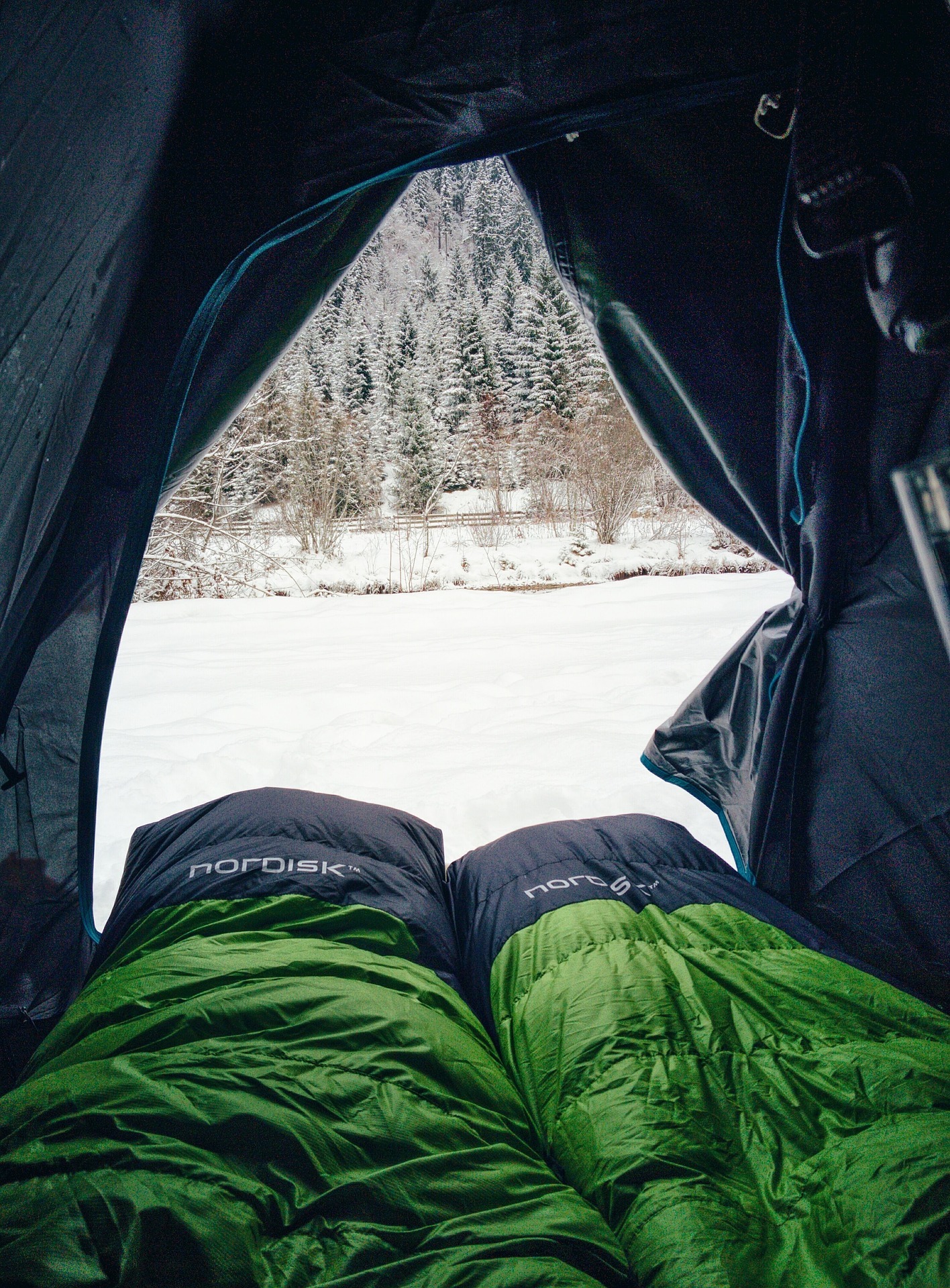
SGUK Outdoor Skills Challenge 52: Avoid Condensation in a Bivvy
Affiliate disclosure: This article contains affiliate links. If you purchase something through one of our links, we may earn a commission at no additional cost to you.
Waking up to a damp sleeping bag can make an otherwise good night outdoors uncomfortable. Sometimes the moisture comes from rain or wet ground, but it can also build up inside your bivvy as you breathe and release moisture overnight.
Condensation is a common challenge when sleeping outdoors, particularly in a compact bivvy where there is little space for air to circulate. You cannot always prevent it completely, but understanding why it forms can help you reduce it and keep your sleeping equipment more comfortable.
Your Challenge
Your challenge is to learn what causes condensation in a bivvy and practise three ways to reduce it.
You will consider ventilation, your choice of pitch and how you manage damp equipment. You will also learn why a bivvy that keeps rain out can still become damp inside.
What You’ll Need
- A bivvy bag or bivvy shelter, if you have one.
- Your sleeping bag or an equivalent item for a dry demonstration.
- A suitable outdoor location where bivvy use is permitted.
- A notebook or phone for recording what you learn.
- A camera or phone to photograph your evidence.
You can complete the challenge without spending a night outdoors. If you do practise with your equipment, choose suitable weather and a safe location, and make sure you have adequate insulation and a way to stop if conditions deteriorate.
Take the Challenge
1. Understand where condensation comes from
Your body releases moisture through breathing and perspiration. When warm, moist air comes into contact with a colder surface, such as the inside of a bivvy, water vapour can condense into droplets.
This means a bivvy can be waterproof and still become damp inside. The moisture may collect on the fabric or transfer to your sleeping bag, particularly if the bag presses against the bivvy material.
Condensation is not the same as a leak. Rain entering through damaged fabric or an inadequately closed opening needs a different solution, so it is useful to work out where the moisture is coming from.
Your first task is to explain, in your own words, how moisture from your breath and body can lead to condensation overnight.
2. Think about ventilation
A sealed-up bivvy may keep out wind and rain, but restricting airflow can allow moisture to accumulate. Where your bivvy design permits it, use the available ventilation openings and avoid closing everything more tightly than necessary.
The right approach depends on the equipment. Some bivvy bags are designed to be used with a separate breathable sleeping system, while bivvy shelters may have specific vents or openings. Follow the manufacturer’s instructions and never block ventilation in a way that could create a breathing hazard.
Practise setting up your bivvy or examining its design. Identify where air can enter and leave, and explain how that airflow may help moisture escape.
Do not assume that opening the bivvy completely is always best. You still need to protect yourself from rain, wind, insects and other conditions while maintaining safe ventilation.
3. Choose your pitch carefully
The place where you sleep can influence how damp your bivvy becomes. Cold, wet ground and sheltered hollows where moisture collects may make conditions less comfortable.
Look for a level, well-drained place where bivvy use is permitted. Avoid depressions where water could collect, stream banks that could flood, and locations beneath dead branches or unstable trees. Do not choose a pitch simply because it feels sheltered if it creates another hazard.
Consider the weather forecast and the likely direction of wind and rain. A suitable pitch should balance protection from the elements with enough airflow for your bivvy system to work as intended.
For this part of the challenge, identify a suitable potential pitch and explain why you chose it. You do not need to sleep outdoors to demonstrate that you understand the factors involved.
4. Keep your sleeping equipment from touching damp fabric
When your sleeping bag presses against the inside of a bivvy, condensation on the fabric can transfer to the insulation. Once a sleeping bag becomes damp, it may lose some of its ability to keep you warm and can take a long time to dry.
If your bivvy design allows it, arrange your sleeping system so that the bag has as much clearance from the outer fabric as practical. Avoid overfilling a small bivvy with bulky equipment that pushes the fabric against your sleeping bag.
Keep spare clothing and other items that need to stay dry protected in suitable waterproof bags. If you notice dampness, deal with it when conditions allow rather than packing wet equipment away and forgetting about it.
Your task is to demonstrate how you would arrange a sleeping bag or substitute inside your bivvy to reduce contact with the fabric.
5. Manage moisture before bedtime
Small decisions before settling down can make a difference. If you have been walking hard and are wearing damp clothing from sweat, changing into dry base layers can help you stay more comfortable overnight.
Keep wet waterproofs and damp kit away from your sleeping bag where possible. Store them in a suitable place that does not obstruct ventilation or create a trip hazard.
Avoid bringing unnecessary wet items into your sleeping space. At the same time, do not sacrifice essential warmth or protection just to reduce moisture. Staying warm and dry enough to remain safe is more important than trying to achieve a completely condensation-free night.
6. Know what to do in the morning
Even with good preparation, some condensation may form. Before packing away your kit, inspect the inside of the bivvy and your sleeping bag.
Wipe away moisture where appropriate and air or dry your equipment when the weather and location allow. Follow the care instructions for your sleeping bag and bivvy fabric. If you must pack damp equipment, separate it from dry clothing and unpack it to dry as soon as possible.
Record three techniques you would use to reduce condensation and explain why each one helps.
Check Your Results
Before completing the challenge, make sure you can answer these questions:
- How does moisture from your body lead to condensation?
- Why can a waterproof bivvy still become damp inside?
- How can ventilation help reduce moisture build-up?
- Why does it matter if your sleeping bag touches the bivvy fabric?
- What should you do with damp equipment before packing it away for a longer period?
If any answer is unclear, revisit the relevant part of the challenge and check your bivvy manufacturer’s guidance.
Complete the Challenge
To complete Challenge 52, demonstrate that you understand the causes of condensation and can identify practical ways to reduce it.
Your evidence should include:
- A photograph of your bivvy or a demonstration setup.
- An explanation of how condensation forms.
- Three practical methods you would use to reduce moisture build-up.
- An explanation of how you would dry and care for damp equipment after a night outdoors.
You do not need to spend a night in a bivvy or deliberately get your sleeping equipment wet to complete the challenge.
How to Submit Your Challenge
Submit your evidence
Once you have completed the challenge, share your evidence on your SGUK member profile so it can be checked.
- Go to your SGUK member profile.
- Open Social Activity.
- Upload a photograph of your evidence to the activity wall.
- Add the hashtag #SGUKChallenge52.
- Share it for verification.
Include your explanations with the photograph so it is clear how you would apply the techniques on an overnight trip.
Challenge 52 Checklist
Want to Push Yourself?
Compare the design of a bivvy bag with that of a bivvy shelter or small tent. Look at how each manages ventilation, rain protection and the space available around your sleeping bag.
Think about the trade-offs. A compact bivvy may be quick to use and easy to carry, while a larger shelter may offer more room for airflow and keeping equipment separate. Neither design eliminates the need to manage moisture.
You could also create a simple overnight kit checklist that includes dry sleep clothing, waterproof storage and a plan for airing your equipment the following morning.
What’s Next?
If you have not completed the previous challenge, try SGUK Outdoor Skills Challenge 51: Identify a Bat Roost in Woodland. Learn to recognise potential bat roost features and observe woodland wildlife without disturbing it.
You can complete the SGUK Challenges in any order, so choose the skills that interest you and keep developing your practical outdoor knowledge.
Once you’ve shared your evidence and it has been verified, the SGUK Outdoor Skills Challenge 52 is complete and the completed challenges figure will be updated on your profile.
Learn. Practise. Master.
That’s what the SGUK Outdoor Skills Challenge is all about.
🔒Ready to test your survival skills?
Join Survival Guides UK for free, complete challenges, earn badges and increase your Survival Level.
JOIN FREE →
CRAIG BURR
FOUNDER · SURVIVAL GUIDES UK
I'm Craig, the person behind Survival Guides UK. I created SGUK because I wanted somewhere people could learn real outdoor skills in a practical, straightforward way — from lighting a fire and tying knots to navigation, campcraft and everything in between.
You can read more about the story behind SGUK here as well as our approach here.