
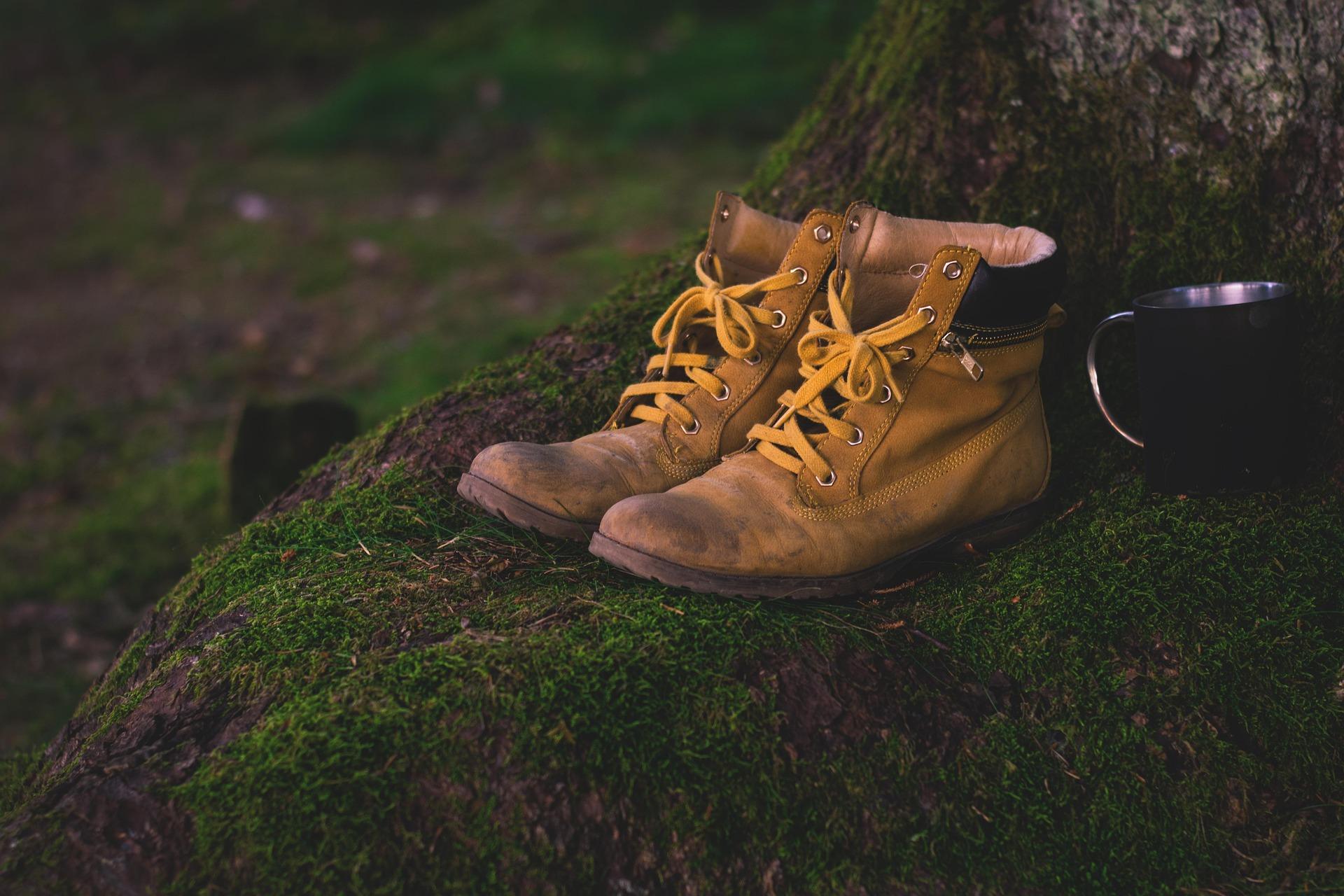
Footwear for Scouts: Choosing and Caring for Outdoor Footwear
Good footwear is one of the most important pieces of equipment a Scout can have outdoors.
Whether you’re walking across a muddy campsite, hiking through woodland, exploring countryside or spending a day outdoors, the right footwear can make the activity much more comfortable.
Poorly chosen footwear can cause blisters, discomfort, wet feet and tiredness. In more challenging terrain, unsuitable footwear can also reduce grip and make it harder to move safely.
The best footwear isn’t necessarily the most expensive.
It is footwear that is appropriate for the activity, fits properly and is looked after correctly.
Why Footwear Matters
Your feet take the load of every step you take.
During a long hike, thousands of steps can put considerable strain on your feet, ankles and legs.
Good footwear can provide protection from rough ground, mud, water and cold while helping you maintain a comfortable footing.
It can also help prevent small problems from becoming bigger ones.
A hot spot on your heel at the beginning of a walk can become a painful blister several hours later.
Recognising and dealing with discomfort early is therefore an important outdoor skill.
Choose Footwear for the Activity
There is no single type of footwear that is perfect for every Scout activity.
A pair of trainers may be perfectly suitable for a short activity on a dry, even surface.
A muddy countryside hike may call for something with more grip and protection.
A longer walk over uneven ground may require footwear offering additional support and durability.
Before choosing footwear, consider:
Where are you going?
How far will you walk?
What will the ground be like?
What will the weather be like?
Will your feet need to stay particularly dry or warm?
The activity should determine the footwear.
Trainers
Trainers can be useful for many everyday activities and some suitable outdoor sessions.
They are generally lightweight and comfortable.
However, they may not provide enough grip, protection or weather resistance for muddy, rocky or particularly wet terrain.
Don’t assume that because trainers are comfortable around town they will automatically be suitable for a countryside hike.
Walking Shoes
Walking shoes can provide a useful balance between comfort and outdoor performance.
They are often lighter than boots while offering more grip and protection than ordinary footwear.
They can be particularly useful for shorter walks or less demanding terrain.
The right choice still depends on the route and conditions.
Walking Boots
Walking boots can offer greater protection and support than lighter footwear.
They may be useful for longer walks, uneven terrain or wet conditions, depending on the design.
However, boots aren’t automatically better simply because they are heavier.
If a lightweight walking shoe is perfectly appropriate for the activity, there may be little benefit in carrying unnecessary weight on your feet.
Waterproof Footwear
Waterproof footwear can be useful in wet conditions.
However, waterproof doesn’t mean that your feet can never get wet.
Water can enter from the top.
Wet trousers can transfer water into boots.
Footwear can become saturated externally.
Feet can also become damp from sweat.
Think about the complete system, including socks, trousers and gaiters where appropriate.
Breathability Matters Too
Keeping water out is only part of the problem.
Feet can produce a surprising amount of moisture during exercise.
Some footwear is designed to allow moisture vapour to escape while reducing water entering from outside.
The balance between waterproofing and breathability depends on the activity and conditions.
For a warm-weather hike, ventilation may be more important than maximum waterproofing.
For wet winter conditions, protection from rain and mud may become more important.
Fit Is More Important Than Appearance
A pair of boots can look fantastic and still be completely wrong for your feet.
Footwear should fit comfortably without being painfully tight or excessively loose.
Your heel should remain reasonably secure.
Your toes should have enough room to move.
Your foot shouldn’t slide around inside the footwear.
Try footwear on with the socks you expect to wear during the activity.
Leave Room for Your Toes
Your toes need space.
If footwear is too short or narrow, your toes can become uncomfortable, particularly on descents.
Walking downhill can cause your feet to move forwards inside poorly fitting footwear.
Make sure there is appropriate room at the front without allowing excessive movement.
Try Footwear on Properly
When trying on walking footwear, don’t simply put it on and stand still for a few seconds.
Walk around.
Try steps and different surfaces if the shop allows it.
Pay attention to your heel, toes, arches and pressure points.
If something feels uncomfortable during fitting, don’t assume it will magically become comfortable after several hours of walking.
Don’t Buy the Wrong Size to “Make It Work”
A common mistake is buying footwear that doesn’t fit and hoping that different socks will solve the problem.
They usually won’t.
Footwear should fit the person wearing it.
Different manufacturers and models can also fit differently, even when they have the same labelled size.
Try before buying where possible.
Break In New Footwear
New walking boots or shoes should be worn gradually before a demanding hike.
Start with short periods.
Wear them around the house.
Then try a short local walk.
Gradually increase the distance.
This gives you time to discover whether there are any pressure points or fit problems.
A brand-new pair of boots should not ideally be taken straight onto a long-distance hike.
Socks Matter
Socks are part of your footwear system.
The right socks can improve comfort and help manage moisture.
Choose socks appropriate for the activity and footwear.
Avoid assuming that the thickest possible socks are always best.
A very thick pair may make footwear too tight.
Similarly, thin everyday socks may not provide the comfort you need for a long walk.
Try different combinations before an important hike.
Carry Spare Socks
For longer activities, a spare pair of socks can be useful.
If your feet become wet, changing into dry socks can make a significant difference to comfort.
Keep spare socks somewhere they will remain dry.
A waterproof bag inside your rucksack can help protect them from rain.
Look After Your Feet During a Hike
Don’t wait until your feet are seriously painful before doing something.
If you notice rubbing, hot spots or discomfort, tell the responsible adult or stop somewhere appropriate to deal with the problem.
A small issue is much easier to manage than a large blister.
This is particularly important on organised Scout hikes where leaders need to know if someone is struggling.
Blisters
Blisters can develop when repeated friction or pressure affects the skin.
They can be particularly common when wearing new footwear or walking longer distances than usual.
The best approach is prevention.
Make sure footwear fits correctly.
Wear suitable socks.
Keep feet as comfortable and dry as practical.
Deal with rubbing early.
If a blister develops, tell a responsible adult and follow the appropriate first-aid arrangements.
Don’t simply ignore it and continue walking if it is becoming painful.
Keep Feet Dry Where Possible
Wet feet aren’t just uncomfortable.
Prolonged exposure to wet conditions can cause skin problems and increase the chance of blisters and other foot issues.
Use suitable footwear and socks for the conditions.
If your feet become wet, change socks when appropriate and allow footwear to dry properly afterwards.
Don’t Dry Boots With Direct Heat
After a wet hike, it can be tempting to place boots directly beside a radiator or another strong heat source.
This can damage some materials, adhesives and waterproofing systems.
Allow footwear to dry according to the manufacturer’s care instructions.
Remove loose dirt first and allow the footwear to dry naturally where appropriate.
Clean Mud Off Footwear
Mud should generally be removed after outdoor activities.
The correct cleaning method depends on the material.
Some footwear can be rinsed.
Other materials require brushing and specific cleaning products.
Follow the manufacturer’s instructions rather than using household cleaning products without checking whether they are suitable.
Look After Waterproofing
Waterproof footwear may need maintenance to retain its performance.
Over time, dirt, wear and repeated use can affect waterproofing.
Manufacturers may recommend specific cleaning and reproofing products.
Follow the care instructions for the particular footwear.
Don’t assume that one waterproofing treatment works for every material.
Check the Soles
The sole is one of the most important parts of outdoor footwear.
Before a hike, check for excessive wear or damage.
Look at the tread.
Is it still providing useful grip?
Are sections becoming smooth?
Is the sole separating from the rest of the footwear?
A badly worn sole may not provide the same performance as when the footwear was new.
Check the Laces
Laces can seem unimportant until one breaks halfway through a hike.
Check them before longer activities.
Look for fraying or damage.
Make sure they can be tied securely.
For longer hikes, carrying a spare pair of suitable laces can be a sensible addition to a personal repair kit.
Check Seams and Stitching
Inspect areas where the upper material joins the sole or where panels are stitched together.
Look for separation, cracking or excessive wear.
Small problems can become more significant with continued use.
Report damaged group equipment rather than returning it to storage without saying anything.
Don’t Ignore Worn-Out Footwear
Outdoor footwear doesn’t last forever.
Even well-maintained boots eventually wear out.
Signs that replacement may be needed include:
Excessively worn tread.
Damaged soles.
Persistent leaks.
Broken structural components.
Severe cracking.
Poor fit caused by deterioration.
If footwear is no longer providing the protection or performance required for the activity, replace it.
Footwear for Camp
Not every part of a Scout camp requires hiking boots.
Different activities may call for different footwear.
For example, Scouts may use one pair for hiking and another for relaxing around camp.
The important thing is to make sure every pair is suitable for the conditions and activity.
Don’t walk around a muddy campsite in unsuitable footwear simply because it is more comfortable.
Footwear Around Water
Water activities require particular consideration.
Ordinary walking footwear isn’t automatically appropriate for entering water.
Follow the instructions for the activity and use footwear specifically suited to the environment where required.
Wet rocks, mud and submerged surfaces can be extremely slippery.
Never enter water simply to test whether your footwear is waterproof.
Hot Weather
Warm weather creates different footwear considerations.
Feet can become hot and sweaty during long walks.
Choose footwear and socks appropriate for the conditions.
Make sure footwear isn’t excessively tight.
Pay attention to hot spots and discomfort.
Taking regular breaks can also give your feet an opportunity to cool down.
Cold Weather
Cold conditions require appropriate protection.
Warm socks and suitable footwear can help protect feet from cold conditions.
Wet footwear can become particularly uncomfortable in cold weather.
Plan for the conditions rather than assuming your normal footwear will be sufficient.
Sand and Beaches
Beach walks can be comfortable in suitable footwear, but sand can work its way into shoes and socks.
This can create friction.
If you’re walking for a long distance, consider the type of footwear and socks that will work best for the route.
Afterwards, clean sand from footwear before storing it.
Muddy Ground
Mud can provide a useful test of footwear.
Good tread can help provide grip, but no footwear can eliminate the risk of slipping.
Take smaller, controlled steps where appropriate and pay attention to the ground.
If conditions become particularly difficult, follow the instructions of the responsible leader.
Different Scouts Have Different Feet
There is no universally perfect boot.
Different people have different foot shapes.
A model that is comfortable for one Scout may cause pressure points for another.
Don’t choose footwear solely because a friend recommends it.
Personal fit matters.
Growing Feet
Younger Scouts’ feet can change as they grow.
Parents and carers should check footwear fit regularly.
Don’t assume that last year’s boots still fit simply because they look fine externally.
Footwear that is too small can become uncomfortable surprisingly quickly.
Sharing Footwear
Sharing outdoor footwear isn’t usually ideal.
Feet are different shapes and footwear can mould to the shape of the person who has worn it.
If borrowing equipment is unavoidable, check that it fits correctly and is suitable for the activity.
Socks should always be personal items.
Leader Notes
Footwear is an easy subject to overlook when preparing Scouts for a hike.
A short check before setting off can prevent problems later.
Ask Scouts what footwear they have brought and whether it is appropriate for the route and conditions.
Younger Scouts may need help understanding why ordinary trainers aren’t always suitable for muddy or uneven ground.
Older Scouts can learn to assess footwear based on terrain, weather, distance and personal comfort.
Encourage Scouts to report discomfort early.
A Scout who says their footwear is rubbing shouldn’t be made to simply “walk it off.”
Small problems are much easier to deal with before they become injuries.
Safety
Footwear should be appropriate for the activity, terrain, weather and individual participant.
Before a hike, check that footwear fits correctly and is in suitable condition.
Do not use footwear with severely worn soles, damaged components or other defects that could affect safe participation.
Scouts should be encouraged to report pain, rubbing, blisters, numbness or other problems as soon as they occur.
Particular care should be taken on steep, muddy, rocky, icy or otherwise challenging terrain.
Water activities require footwear and equipment appropriate to the specific activity and environment.
Footwear should be maintained according to the manufacturer’s instructions.
Do not rely on footwear alone to prevent slips or falls. Good footwear provides grip and protection, but Scouts should still be taught to assess the ground and move appropriately for the conditions.
Learning Outcomes
Understanding footwear can help Scouts:
Final Thought for Scouts
Footwear might not be the most exciting piece of outdoor equipment, but it can make a huge difference to your experience.
The right boots won’t make a difficult hike easy.
They will, however, help you stay comfortable, protect your feet and concentrate on enjoying the adventure.
Choose footwear for the activity.
Make sure it fits.
Look after it.
And listen to your feet.
If something hurts, deal with it early rather than waiting for it to become a bigger problem.
🔒Ready to test your survival skills?
Join Survival Guides UK for free, complete challenges, earn badges and increase your Survival Level.
JOIN FREE →
CRAIG BURR
FOUNDER · SURVIVAL GUIDES UK
I'm Craig, the person behind Survival Guides UK. I created SGUK because I wanted somewhere people could learn real outdoor skills in a practical, straightforward way — from lighting a fire and tying knots to navigation, campcraft and everything in between.
You can read more about the story behind SGUK here as well as our approach here.